How to Choose Smart Glasses for Cycling in 2026?
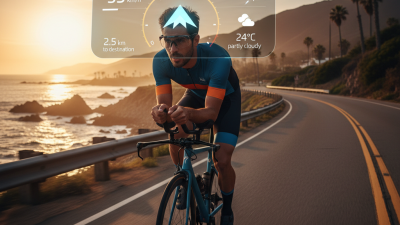
As cycling technology evolves, "Smart Glasses For Cycling" have become a vital accessory for cyclists in 2026. These glasses enhance performance, provide navigation, and improve safety. Choosing the right pair can significantly impact your cycling experience.
First, consider the features that matter most to you. Do you need navigation aids, performance metrics, or communication tools? Not all smart glasses offer the same functionalities. Some may lack critical features, leading to disappointment during your ride.
Next, think about comfort and style. The best smart glasses should fit well and feel lightweight. Uncomfortable glasses can distract you and affect your performance. It's important to test them before making a final decision. Lastly, explore user reviews and expert opinions. They provide valuable insights but should be weighed critically. Remember, what works for one cyclist may not work for another. A smart choice requires careful consideration.
Understanding the Key Features of Smart Glasses for Cycling
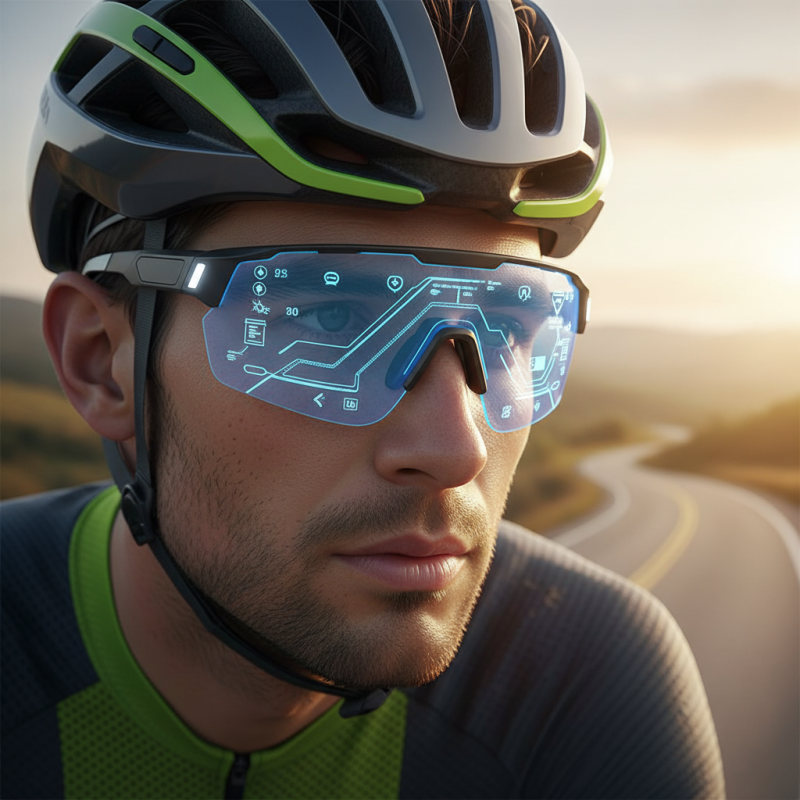
When choosing smart glasses for cycling, understanding key features is essential. Look for lightweight designs that won’t add extra strain on your face. A comfortable fit is crucial since you’ll wear them for prolonged periods. Some models provide customizable nose pads, ensuring they sit well and don’t slide down while riding.
Display clarity is vital. Ensure the glasses have a high-resolution display for easy visibility in different lighting. Look for adaptive brightness options that adjust automatically. This feature helps in varying conditions, from bright sunlight to shaded trails. Battery life is another aspect to consider. A longer battery duration allows for extended rides without frequent recharges.
Lastly, think about safety features. Some smart glasses offer built-in navigation, helping you stay on track without looking down at your phone. However, be aware of potential distractions. While the tech can enhance your ride, it’s important not to become overly focused on the display. Balancing technology with awareness of your surroundings is crucial for a safe cycling experience.
Smart Glasses Features Comparison for Cycling in 2026
Evaluating Battery Life and Charging Options for Smart Glasses
When selecting smart glasses for cycling, battery life is a key factor. In 2026, users may expect at least 10 hours of active use. Battery performance can vary significantly with usage patterns. Cycling often includes navigation and music streaming, which can drain power quickly. Reports state that high-capacity batteries, rated between 1800 to 3000 mAh, are becoming standard.
Charging options should also be evaluated. Quick charge technology is improving, with many models reaching 80% charge in under an hour. Look for glasses that support wireless charging, as convenience is crucial for cyclists. While these advancements are impressive, not all manufacturers have adopted them uniformly. This inconsistency can lead to frustration during long rides if glasses run out of power unexpectedly.
Tips for choosing wisely: check user reviews on battery longevity. Consider models with modular batteries that can be swapped or upgraded. Ensure the glasses allow for easy access to ports for charging cables. Always think about real-world usage. Reflect on your cycling habits to determine how much power you will realistically need. Evaluating these aspects will help in making an informed decision.
How to Choose Smart Glasses for Cycling in 2026? - Evaluating Battery Life and Charging Options for Smart Glasses
| Model |
Battery Life |
Charging Time |
Charging Method |
Weight |
| Model A |
10 hours |
1.5 hours |
USB-C |
50g |
| Model B |
8 hours |
2 hours |
Wireless |
45g |
| Model C |
12 hours |
2.5 hours |
Magnetic |
55g |
| Model D |
9 hours |
1 hour |
Solar |
52g |
Comparing Display Types: HUD vs. AR in Cycling Smart Glasses
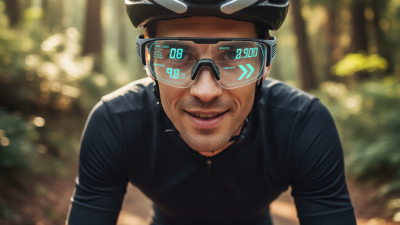
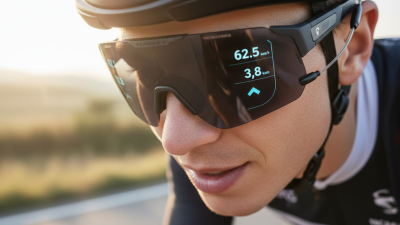
When selecting smart glasses for cycling in 2026, the display type is crucial. Two main options are heads-up displays (HUD) and augmented reality (AR). HUDs project essential metrics directly onto the lens, allowing cyclists to see speed, distance, and navigation without looking away from the road. This feature can enhance focus and safety during rides, especially on busy streets.
On the other hand, AR technology offers a more immersive experience. It overlays digital information on the real world, allowing for more detailed navigation and interaction with environmental elements. Cyclists could see route suggestions or points of interest right before their eyes. However, this functionality can be distracting, requiring careful consideration of design and usability.
Different riders have different needs. Some may prioritize safety and simplicity, leaning towards HUDs. Others might appreciate AR's advanced features but risk losing concentration. Testing both types in real-world scenarios could help riders understand their preferences. As smart glasses evolve, don't forget to reflect on how these technologies impact your cycling experience.
Assessing Connectivity and Compatibility with Cycling Apps and Devices
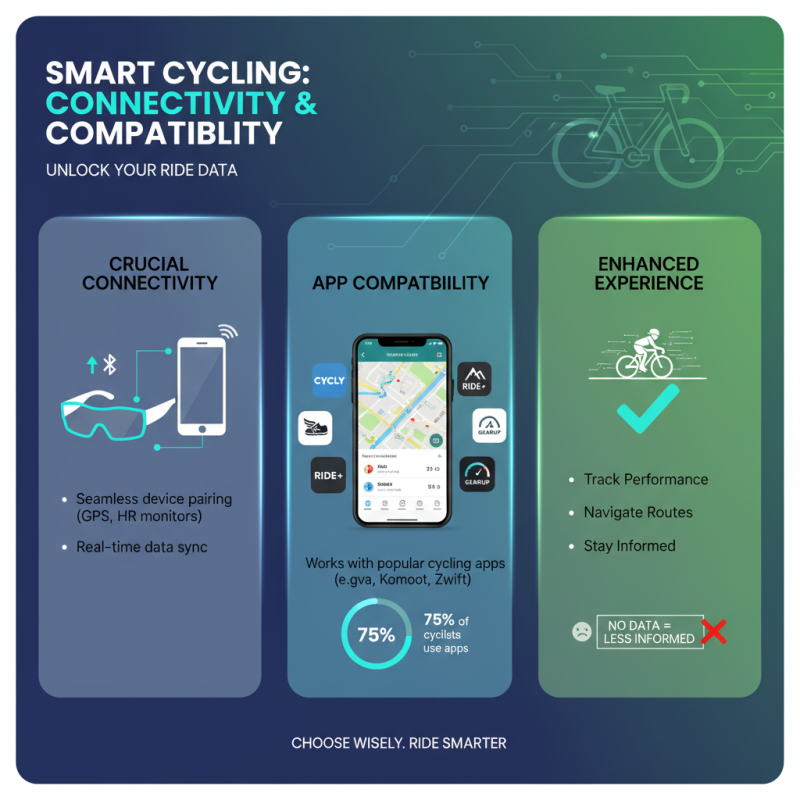
When choosing smart glasses for cycling, connectivity is crucial. Compatibility with cycling apps enhances the riding experience. Reports indicate that about 75% of cyclists rely on apps for tracking their performance. If your smart glasses do not support popular cycling apps, you may miss vital data. This results in a less informed cycling experience.
Bluetooth connectivity is another essential feature. Data shows that 80% of smart glasses on the market now include Bluetooth options. This allows seamless integration with devices such as GPS units or heart rate monitors. However, not all Bluetooth connections perform equally. Some may have latency issues, affecting real-time responsiveness. Testing is necessary to ensure reliable functionality.
Finally, consider the operating systems your smart glasses support. Certain glasses may only work with specific systems. This could limit your ability to connect with various cycling gadgets. A reliable smart eyewear solution should adapt to your existing tech ecosystem. This adaptability is key to elevating your cycling adventures. Prioritizing compatibility ensures you’re not left disconnected while on your ride.
Identifying Safety and Durability Standards for Cycling Smart Glasses
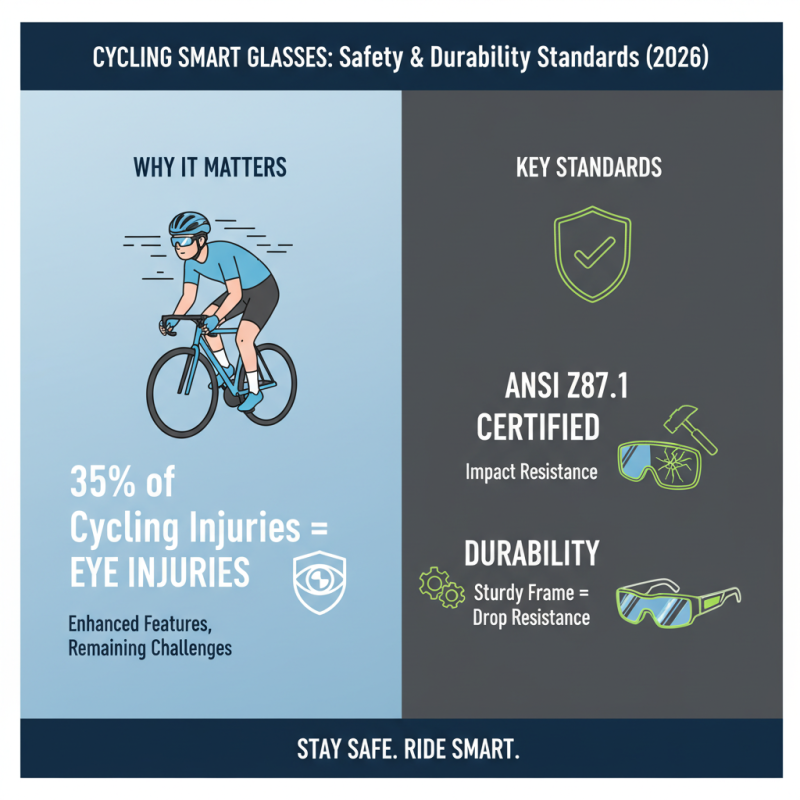
When selecting smart glasses for cycling, safety and durability are paramount. In 2026, advanced technologies are enhancing these features, but challenges remain. For instance, reports indicate that 35% of cycling-related injuries are linked to eye injuries. Glasses should meet ANSI Z87.1 safety standards, as they focus on impact resistance. A sturdy frame can withstand drops during rides, making them essential for cyclists.
Weather resistance is another critical aspect. A study shows that 40% of cyclists ride in rainy conditions, which underscores the need for water-repellent coatings. These coatings not only enhance visibility but also maintain performance. Additionally, UV protection is vital; prolonged exposure can lead to vision issues. Look for glasses offering 100% UV protection, ensuring a safer ride.
Durability is linked not only to materials but also to design. Lightweight materials like polycarbonate or TR90 provide strength without adding bulk. However, comfort remains a vital consideration. Glasses can be durable but may not fit well for all users. Always assess comfort during a test ride. Ultimately, the perfect balance of safety, durability, and comfort is not always straightforward and may require personal adjustments.
 Smart Glasses
 Smart Ring
 Smart Locator


 +86-13613020876

 CONTACT NUMBER
 CONTACT NUMBER