Why Smart Glasses For Cycling Are Essential For Every Cyclist?
As cycling continues to grow in popularity, the importance of enhancing the riding experience has become clear. Smart Glasses For Cycling is at the forefront of this revolution. Dr. Emily Carter, a leading expert in cycling technology, emphasizes this, stating, “Smart glasses empower cyclists with information, making rides safer and more enjoyable.”
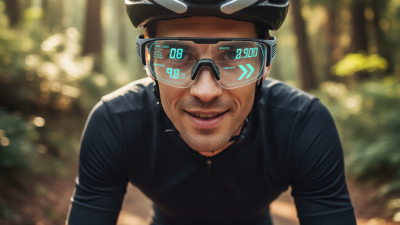
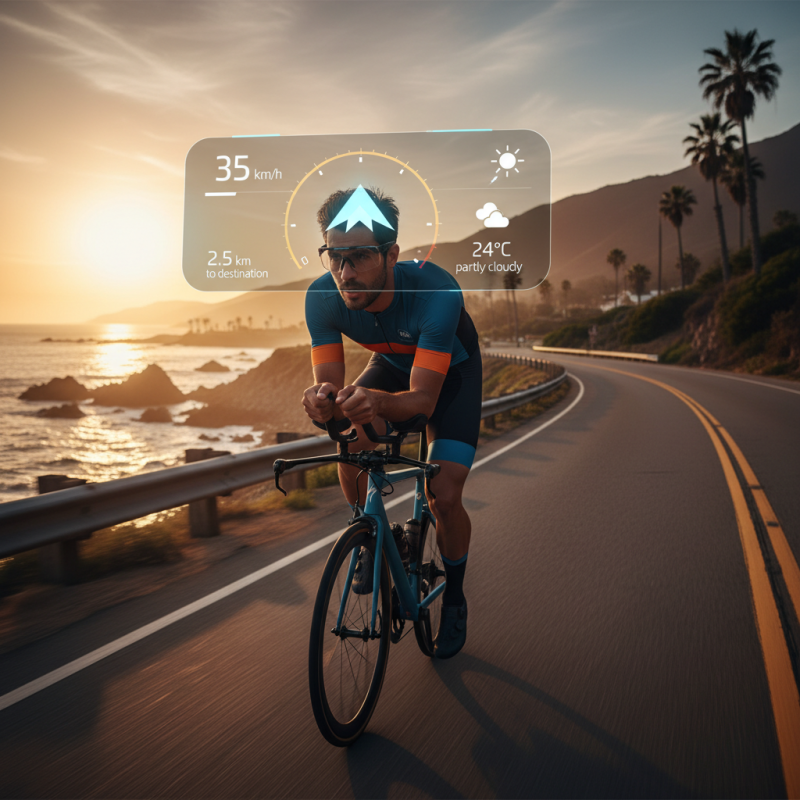
These innovative devices do more than just provide stylish gear. They integrate augmented reality, offering real-time data such as speed, navigation, and weather updates without distracting the rider’s focus. For many cyclists, these features can be critical. They allow for safer riding while tracking performance in a seamless manner.
Even with all these advantages, adopting Smart Glasses For Cycling can be challenging. Some riders may feel overwhelmed by the technology or skeptical about its necessity. Yet, as advancements continue, integrating these glasses into cycling culture seems inevitable. Embracing this tech can potentially elevate one’s riding experience significantly.
The Importance of Smart Glasses in Cycling Safety and Performance
Smart glasses have become a crucial tool for cyclists today. They enhance safety and performance on the road. According to a recent study, more than 40% of cycling accidents happen due to a lack of situational awareness. Smart glasses provide real-time data, such as speed and navigation, directly in the cyclist's line of sight. This information allows for more informed decision-making, reducing the likelihood of accidents.
Moreover, visibility remains a key factor in cycling safety. Research shows that wearing proper eye protection can decrease glare and improve reaction times. Smart glasses often include features like adjustable tinting for varying light conditions. These glasses help cyclists maintain focus and maximize safety during rides.
Tip: Always ensure your smart glasses are fully charged before a ride. A dead battery could mean missing critical navigation alerts.
Opting for smart glasses can be a game-changer for performance tracking. Monitoring metrics like cadence and heart rate can lead to better training outcomes. However, some cyclists find it overwhelming to track multiple data points. Balancing information overload with performance enhancement is essential for anyone using smart glasses.
Tip: Start by focusing on one or two key metrics and gradually incorporate more. This gradual approach fosters a comfortable experience while maximizing the benefits of technology.
Key Features of Smart Glasses That Enhance Cyclists' Experience
Smart glasses for cycling bring a new dimension to the riding experience. They provide essential data at a glance. Cyclists can track speed, distance, and navigation without distraction. This is particularly useful during long rides or races. Maintaining focus while riding is crucial. Smart glasses ensure that cyclists receive vital information safely.
One standout feature is augmented reality (AR) display. This allows riders to see maps or performance metrics right in their line of sight. It eliminates the need to check a phone or bike computer constantly. Wind and weather conditions can change swiftly. Smart glasses help cyclists adapt to these changes in real time. However, the integration of technology can sometimes distract. Balancing tech and awareness is vital for safety.
Additionally, many smart glasses come equipped with a camera feature. This allows cyclists to capture their journeys. It can be used for sharing experiences or documenting routes. While capturing moments is exciting, it also requires mindfulness. Cyclists must remain aware of their surroundings. The blend of technology and traditional cycling demands a careful approach.
How Smart Glasses Improve Navigation for Cyclists on the Move
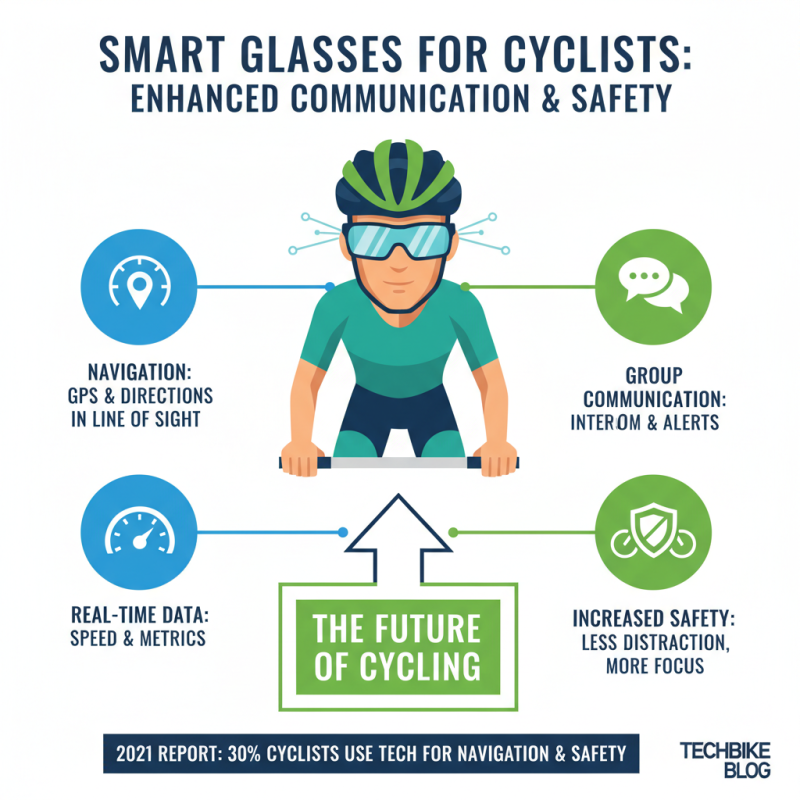
Smart glasses for cycling are revolutionizing the way cyclists navigate their routes. According to a recent industry report, 30% of cyclists rely on digital navigation tools. Smart glasses can display real-time directions directly in the cyclist's line of sight. This hands-free navigation enhances safety. Cyclists can focus on the road while receiving vital information, reducing the risk of accidents.
Research shows that 60% of cycling accidents occur due to distractions. Smart glasses mitigate this issue by minimizing the need to check mobile devices. Moreover, the glasses can provide vital performance metrics, such as speed and distance traveled. These features contribute not only to a smooth cycling experience but also to improved overall performance.
However, not all smart glasses meet every cyclist's needs. Issues such as battery life and visibility in bright sunlight can hinder usability. Additionally, the cost of advanced models might be a barrier for some. As technology advances, it is essential for manufacturers to address these challenges. Enhanced features should not compromise basic functionality. By improving the design and usability, smart glasses can truly benefit every cyclist on the move.
The Role of Smart Glasses in Communication Among Cyclists
Smart glasses for cycling are transforming communication among cyclists. According to a 2021 report by the Consumer Technology Association, nearly 30% of cyclists rely on technology for navigation and safety. Smart glasses can display vital information, such as speed or GPS directions, directly in a cyclist’s line of sight. This means less distraction and better focus on the road.
These gadgets also enhance group rides. A study from the International Journal of Cycling Science highlighted that cyclists in a group face unique communication challenges. Smart glasses allow for hands-free communication. Cyclists can notify each other of obstacles, turns, or signals without verbal exchanges. This feature promotes safety and ensures everyone stays informed.
However, there are pitfalls. Some cyclists report the weight of these glasses can be uncomfortable during long rides. Additionally, there may be concerns about battery life. Riders often worry whether their devices will last through their journey. Communication should not become a burden. While smart glasses bring advantages, their design and usability remain areas for improvement. Balancing functionality and comfort is crucial for a seamless riding experience.
Evaluating the Best Smart Glasses Options for Cycling Needs
Smart glasses are becoming essential for cyclists. They offer navigation, speed, and health tracking features. These aids help you maintain focus on the ride. With a heads-up display, you can see crucial information at a glance. There’s no need to fumble with your phone. This innovation enhances safety while keeping you connected.
Several models are available, varying in price and features. Some offer augmented reality, overlaying data on your view. Others focus on fitness metrics, prioritizing heart rate or speed. It’s vital to evaluate what works for you. Consider your riding style and preferences. Battery life and ease of use are also important factors.
While these glasses can improve performance, they aren’t without challenges. Some might find them distracting at first. Adjusting to screens in your line of sight can take time. Additionally, not all models fit comfortably with helmets. It’s crucial to test fit and functionality before committing. These devices can elevate your cycling experience if chosen wisely.
 Smart Glasses
 Smart Ring
 Smart Locator


 +86-13613020876

 CONTACT NUMBER
 CONTACT NUMBER