Smart Glasses For Cycling in 2026 What to Consider?
As the cycling industry evolves, the role of technology becomes increasingly significant. Smart glasses for cycling represent a promising innovation. A market research report highlights an expected growth rate of over 25% in the smart eyewear sector by 2026. This rise is fueled by demand for enhanced safety and navigation features.
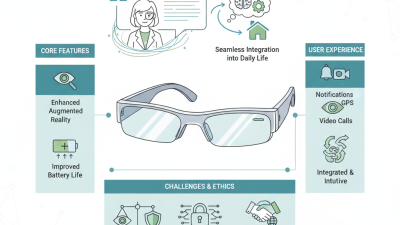
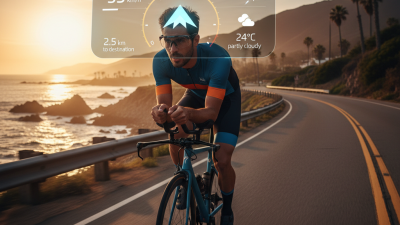
Cyclists today seek tools that provide real-time data without distractions. Smart glasses for cycling can integrate GPS navigation, speed tracking, and vital performance metrics directly into the user’s field of vision. However, the potential downsides must also be considered. Battery life, durability, and weight could impact the overall cycling experience.
Additionally, the learning curve for new users may hinder adoption. Despite these challenges, the prospect of merging augmented reality and cycling is intriguing. This technology could revolutionize not just how cyclists ride, but how they interact with their surroundings. As the industry progresses, understanding the key factors will be essential for both manufacturers and consumers.
Key Features of Smart Glasses for Cyclists in 2026
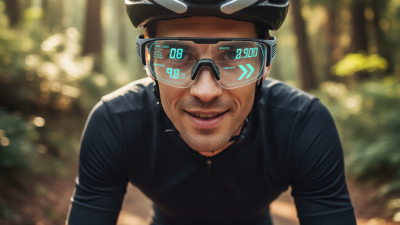
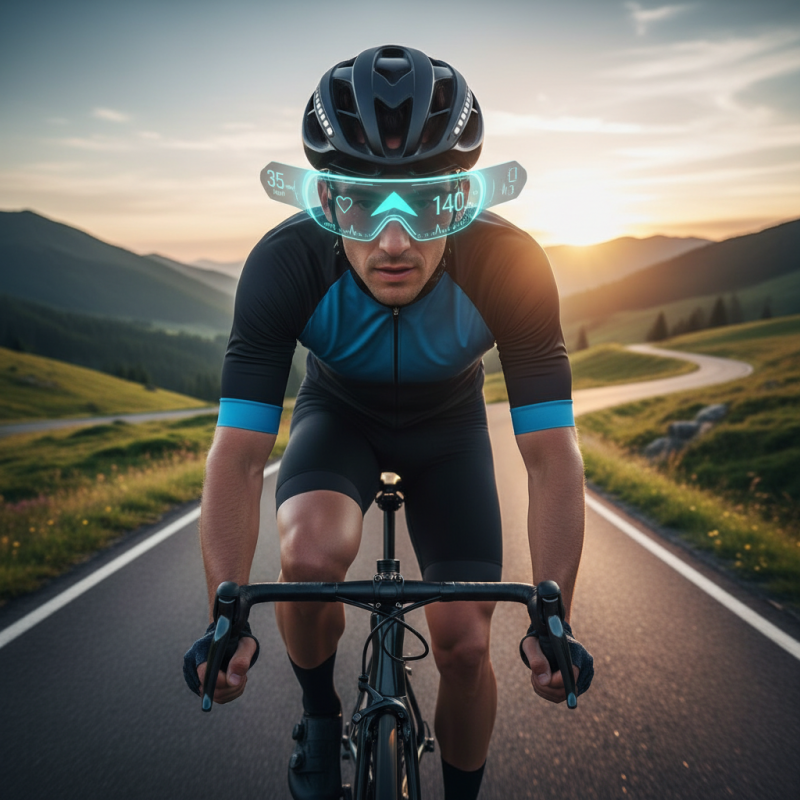
Smart glasses are set to revolutionize cycling by 2026. The key features cyclists should consider include heads-up displays, navigation prompts, and fitness tracking. According to a recent industry report, 70% of cyclists find real-time data useful for enhancing performance. Heads-up displays can show speed, distance, and heart rate directly in the rider’s line of sight. This minimizes distractions and keeps focus on the road.
For navigation, integrated GPS can provide turn-by-turn directions. Cyclists can avoid stopping to check their phones. Reports suggest that 60% of cyclists prefer smart glasses with built-in navigation features. This allows for safer rides, especially in urban areas. Additionally, voice commands can be a game-changer, making adjustments hands-free.
Tips for choosing smart glasses include considering battery life and durability. Look for models with at least 8 hours of usage. This is essential for long-distance rides. Also, durability can’t be overlooked. Cyclists often face varying weather conditions. Glasses should be water-resistant and impact-resistant.
While technology is evolving, there are still hurdles. Connectivity issues can frustrate users. Some consumers report difficulty syncing with devices. Addressing these problems will be crucial. As the market matures, feedback will drive improvements.
Health and Safety Considerations for Using Smart Glasses While Cycling
As cycling gains popularity, smart glasses are becoming an intriguing accessory. However, health and safety considerations are crucial. One major concern is visibility. Cyclists need to maintain awareness of their surroundings. A device that distracts or obstructs vision can lead to accidents. Opt for models designed to prioritize clarity and situational awareness.
Another factor is comfort. Extended wear can cause discomfort or distraction. Cycling requires focus and endurance, so the fit of the glasses matters. Ensure they allow proper airflow. Fogging can occur during intense rides, impairing vision. Regular adjustments may be necessary to account for different weather conditions.
Battery life is also important. A device that dies mid-ride can leave you disengaged. Smart glasses should have sufficient battery life for long rides. Yet, even reliable tech can face unexpected failures. Being prepared with a backup plan is wise. Reflecting on user experiences can help improve designs and features, ensuring these glasses enhance the cycling experience without compromising safety.
Connectivity and Integration with Other Cycling Devices
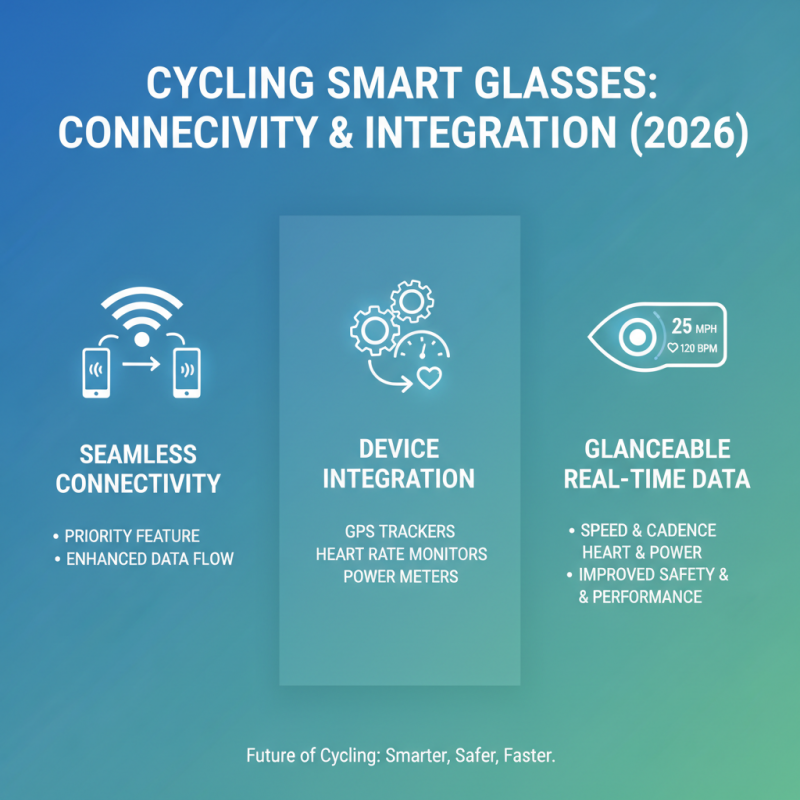
When considering smart glasses for cycling in 2026, connectivity should be a priority. These glasses should seamlessly integrate with various cycling devices like GPS trackers and heart rate monitors. Imagine cycling, and at a glance, you can see your speed or heart rate projected on your lens. This can enhance safety and improve performance.
However, achieving seamless connectivity can be challenging. Not all devices communicate using the same protocols. Compatibility issues may arise, making it crucial to research which cycling devices are compatible with the glasses. Riders might experience frustration when trying to link devices. This exemplifies the importance of understanding your technology.
Battery life is another key point. For glasses to remain helpful, they must last through long rides. However, increased connectivity often drains power quickly. Some users might even consider carrying a portable charger, which detracts from minimalist cycling. Assessing how integration impacts your ride is vital. Users should weigh advantages against potential inconveniences.
User Experience: Interface and Usability of Smart Glasses for Bikers
When considering smart glasses for cycling in 2026, the user experience will be crucial. The interface should be intuitive and accessible at a glance. According to a recent industry report, 70% of users prioritize ease of use. This highlights the importance of a clean design with simplified controls. Features like voice commands can enhance usability, allowing cyclists to focus on the road.
Tip: Choose smart glasses that offer customizable interfaces. This allows users to tailor settings to their preferences and riding style. Compatibility with health tracking apps may boost the overall experience.
A significant challenge is ensuring that information isn’t overwhelming. Data displays should only show critical metrics, like speed and navigation. Studies indicate that 60% of cyclists prefer minimal distractions. Testing the usability with real riders can help developers refine the design. Some features might need recalibration to improve interaction without compromising safety.
Tip: Look for glasses with adjustable settings. This can improve user satisfaction, as each cyclist will have unique needs. Aim for a balance between functionality and distraction-free riding.
Future Trends in Smart Glass Technology for Cyclists
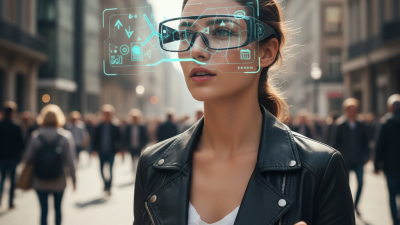
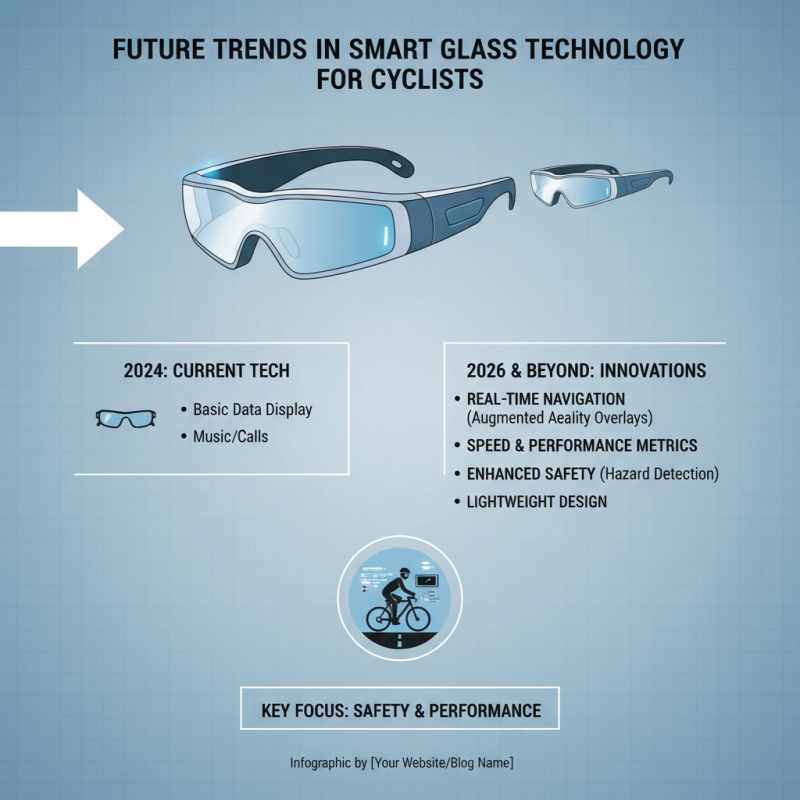
The landscape of smart glasses for cycling is evolving rapidly. By 2026, cyclists will likely see enhancements that prioritize safety and performance. Imagine a device that provides real-time navigation and speed metrics directly in your line of sight. This feature can reduce the need for frequent stops to check a phone. However, integrating these functionalities while ensuring a lightweight design poses challenges.
Battery life remains a critical issue. Cyclists need glasses that can last for long rides without frequent recharges. While some designs may promise durability, their battery performance may not meet real-world needs. Additionally, the user interface must be intuitive, avoiding distractions while riding. Smart glasses should not compromise a cyclist’s focus on the road.
As technology advances, personalization will become vital. Cyclists will want customizable settings to suit individual preferences. However, ensuring that these options don't overwhelm users can be tricky. A balance between technology and practical usability is essential. Industry experts predict that addressing these concerns will establish a new standard for smart glasses in cycling.
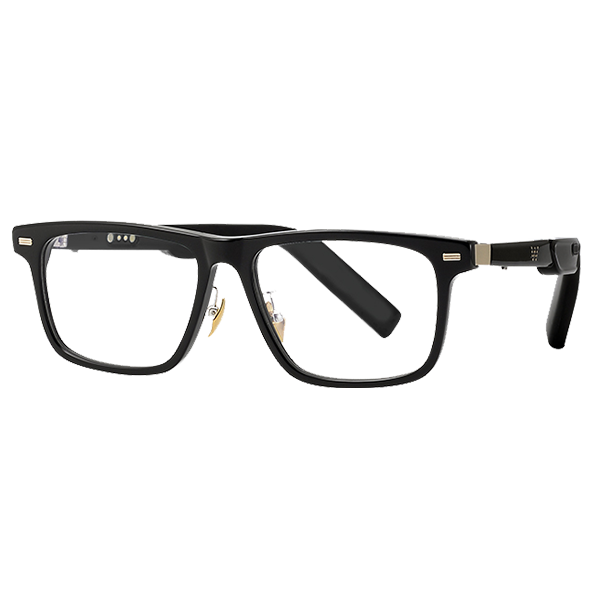 Smart Glasses
 Smart Ring
 Smart Locator


 +86-13613020876

 CONTACT NUMBER
 CONTACT NUMBER