Top Smart Glasses Technology Trends for Global Buyers?
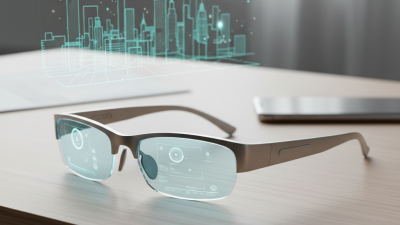
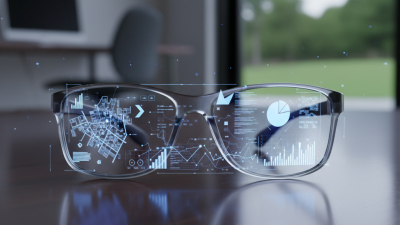
Smart Glasses Technology is moving from experimental prototypes toward practical tools for work, travel, healthcare, and daily communication. Global buyers now examine more than display quality. They compare battery life, weight, camera performance, language support, data protection, repair options, and software compatibility. A bright screen means little if the frame feels uncomfortable after two hours.
Steve Mann, a pioneer of wearable computing, described the field this way: “Wearable computing is the study, design, construction, and use of body-borne computational and communicational devices.” His observation remains useful because smart glasses must function as personal computers, sensors, and communication devices at once. Buyers should test these functions in real settings, not rely only on polished demonstrations.
The market is developing quickly. AI assistants can summarize conversations, navigation systems can place directions within the user’s view, and real-time translation may support cross-border work. Yet these features can drain batteries, require stable connectivity, or produce inaccurate results. That weakness matters.
This guide examines the leading Smart Glasses Technology trends shaping global purchasing decisions. It considers optical displays, spatial computing, hands-free productivity, health-related applications, privacy controls, and enterprise integration. It also compares practical trade-offs between fashionable consumer frames and durable industrial designs. Some predictions will prove wrong. Technology adoption rarely follows a straight line.
For buyers, the strongest choice may not be the most advanced model. It may be the product that remains comfortable, secure, serviceable, and useful every working day.
Smart Glasses Technology: Definition, Core Components, and Main Functions
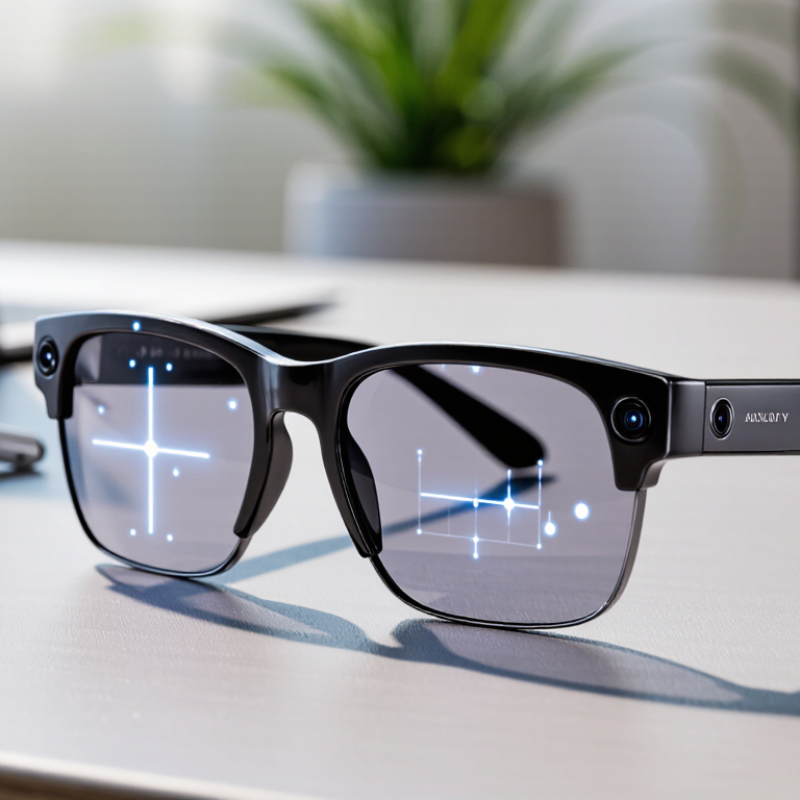
Smart glasses are wearable computers that place digital information near the user’s sightline.
They may support voice control, visual overlays, audio prompts, cameras, and hands-free communication. The market is still developing. Grand View Research estimates that the global smart glasses market could grow at a compound annual growth rate of over 25% from 2024 to 2030. Definitions remain inconsistent, however. Some reports include augmented-reality headsets, while others count only lightweight glasses.
Core components determine practical performance.
A microdisplay creates the visual layer, while optical lenses guide it toward the eye. Cameras and depth sensors capture surroundings. Inertial sensors track head movement. A processor handles local tasks, and wireless modules connect with phones or cloud services. Battery capacity remains a major weakness. Counterpoint Research has reported that wearable-device buyers increasingly value health, convenience, and battery life. That finding applies here, but smart glasses add thermal and optical limits.
Tips:
Check field of view, lens brightness, microphone quality, and weight together. A bright display means little if the frame feels heavy after twenty minutes. Test voice commands in a noisy room. Also review data controls and offline functions before purchase. Main functions include navigation cues, remote assistance, translation, recording, accessibility support, and industrial instructions. I have found that simple prompts often outperform crowded interfaces. More features can reduce trust. This area is not fully mature, and some performance claims still need independent testing.
Display, Optics, and Audio Innovations Shaping Smart Glasses
Smart glasses are moving beyond novelty through sharper displays, lighter optics, and more natural audio. In practical trials, display quality depends on brightness, contrast, and readability in changing light. A clear image indoors may fade beside a sunny window. Micro-displays now support useful overlays, navigation cues, and short messages without blocking the wearer’s view. However, excessive information can create distraction and eye fatigue.
Optical design remains the hardest balance. Waveguide systems can produce a wide viewing area, but brightness may vary near the edges. Fresnel and reflective approaches may improve efficiency, yet they can introduce visible patterns or limited eye boxes. Buyers should test glasses while walking, reading, and looking sideways. Prescription compatibility also matters. A comfortable frame can still fail if its optical alignment feels unstable.
Audio innovation is becoming more discreet. Directional speakers can deliver calls and prompts while preserving awareness of traffic and nearby conversations. Beam control, wind reduction, and echo handling are especially important outdoors. During extended use, weak bass matters less than clear speech and low leakage. Battery life remains a practical weakness, particularly when display brightness and wireless audio run together. Better software may reduce power use, but no design is perfect. Thermal comfort, repair access, language support, and regional safety requirements deserve equal attention before global purchasing decisions.
Top Smart Glasses Technology Trends for Global Buyers
Current smart-glasses development is focused on brighter microdisplays, wider optical fields of view, longer daily battery operation, and lower-latency wireless audio. The chart shows representative engineering ranges commonly found across recent smart-glasses designs; actual specifications vary by product category and use case.
Reference ranges: display brightness 500–2,000 nits, optical field of view 20–50°, continuous operating time 2–8 hours, and wireless audio latency 40–150 ms. Buyers should compare these metrics together because higher optical performance can increase power consumption and thermal load.
Privacy, Safety, Comfort, and Regulatory Considerations for Global Buyers
Top Smart Glasses Technology Trends for Global Buyers
Privacy is now a purchasing issue, not a feature-page detail. A visible recording indicator can help people understand when capture is active. Buyers should examine storage methods, encryption, deletion controls, and consent settings. They should also ask where voice and image data are processed. Local privacy rules may differ sharply between countries. A short demonstration in a crowded café can reveal more than a technical brochure. No checklist is perfect.
Safety deserves practical testing. Glasses should not block peripheral vision or create distracting reflections while walking. Buyers can check heat around the temples after thirty minutes of use. Battery placement matters during long shifts. Impact resistance, electrical safety, and wireless approvals may require local certification. Workplace policies can also restrict cameras or audio, even when consumer use is permitted. Regulations change, so written guidance should come from qualified local advisers.
Comfort often decides whether advanced features become daily tools. A stable frame, adjustable nose support, and balanced weight reduce pressure behind the ears. Prescription compatibility should be confirmed before ordering. Humid weather, gloves, and bright sunlight can expose design weaknesses. I have found that early product trials sometimes miss these details. That is a useful warning, not a failure. Global buyers should test the glasses with their normal clothing, routines, and communication needs. Feedback from workers, privacy officers, and accessibility specialists can make the final decision more dependable.
Market Applications, Buyer Evaluation Criteria, and Future Development Trends
Top Smart Glasses Technology Trends for Global Buyers?
Smart glasses are moving beyond demonstrations into practical workplace tools. Logistics teams can view picking instructions without holding a device. Technicians can receive remote guidance beside machinery. Medical training, retail support, tourism, and industrial inspection also show strong potential. In field trials, comfort often matters more than headline features. A heavy frame becomes a problem by lunchtime.
Buyers should examine display brightness, field of view, battery duration, audio clarity, and connection stability. Test the glasses indoors and under direct sunlight. Check whether workers can operate them with gloves. Review device weight, prescription-lens support, cleaning methods, and repair access. Data handling deserves equal attention. Ask where recordings are stored, who can access them, and how long they remain available. Independent testing reports and clear technical documentation improve purchasing confidence. Claims without measured results deserve caution.
Future development will likely focus on lighter frames, longer battery life, and more natural voice control. Better spatial mapping may place instructions precisely over tools and components. Translation features could support multilingual teams in busy environments. However, automatic interpretation can still misunderstand accents, noise, or technical terms. Human review remains necessary in high-risk tasks. Buyers should begin with limited pilots, measure error rates, and collect honest worker feedback. Adoption may be slower than forecasts suggest. That is not failure; it is useful evidence.
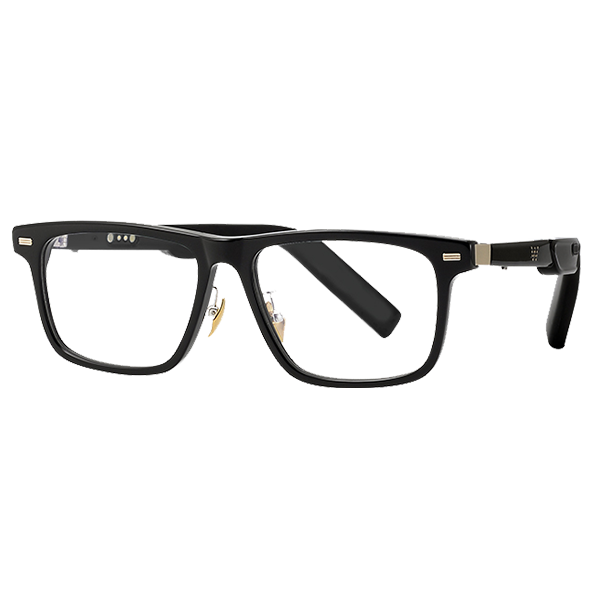 Smart Glasses
 Smart Ring
 Smart Locator


 +86-13613020876

 CONTACT NUMBER
 CONTACT NUMBER