What are Smart Glasses and How Can They Benefit You?
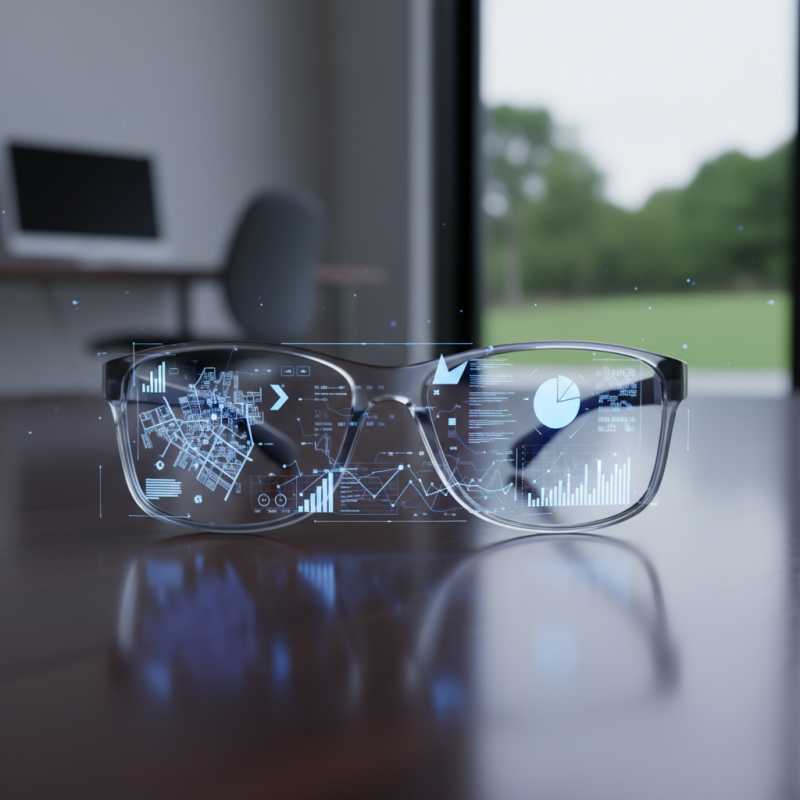
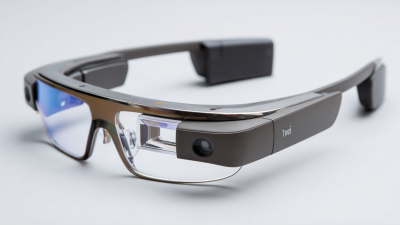
Smart Glasses are becoming increasingly popular in today's tech-driven world. These innovative devices blend the boundary between reality and technology. Smart Glasses can offer users hands-free access to information, enhancing daily tasks and experiences.
Consider how these glasses might transform the way we work and play. With features like augmented reality, users can visualize complex data right before their eyes. Imagine navigating through a new city while receiving live directions. However, the benefits go beyond convenience; they also promote efficiency.
Yet, not all experiences with Smart Glasses are flawless. Some users report discomfort after prolonged wear. Moreover, privacy concerns arise with built-in cameras. As technology advances, addressing these issues becomes essential. Smart Glasses have potential, but understanding their implications is crucial. Embracing innovation means being aware of both benefits and challenges.
What Are Smart Glasses? A Comprehensive Overview
Smart glasses are an innovative technological advancement. They blend augmented reality with wearable technology. By providing a hands-free interface, these devices can display information directly in your line of sight. According to recent market reports, the smart glasses market is expected to reach $34 billion by 2026, reflecting a growing demand for this tech.
These devices are used in various fields. Healthcare professionals utilize smart glasses for surgical assistance. In manufacturing, workers can receive instructions without looking away from their tasks. The application of smart glasses is diverse and expanding rapidly.
Tips: Ensure compatibility with your existing devices before purchasing smart glasses. Consider the weight and comfort of the glasses for prolonged use. Remember, while the technology is promising, it is essential to evaluate the privacy implications of wearing them daily. Awareness of potential limitations can help users make informed decisions.
What are Smart Glasses and How Can They Benefit You?
| Feature |
Description |
Benefits |
| Augmented Reality |
Overlay of digital information onto the real world. |
Enhances user experience in gaming and training. |
| Hands-Free Operation |
Control functions through voice commands or gestures. |
Improves multitasking and safety in various environments. |
| Real-Time Notifications |
Receive messages and alerts directly on the lens. |
Stays connected without pulling out a phone. |
| Navigation Assistance |
Turn-by-turn directions displayed in the user's field of view. |
Increases efficiency when traveling or walking in unfamiliar areas. |
| Fitness Tracking |
Monitors health metrics like heart rate and steps. |
Encourages a healthier lifestyle through real-time data. |
| Customization |
Interchangeable lenses and personal settings. |
Allows users to tailor the experience to their preferences. |
The Technology Behind Smart Glasses: Key Components Explained
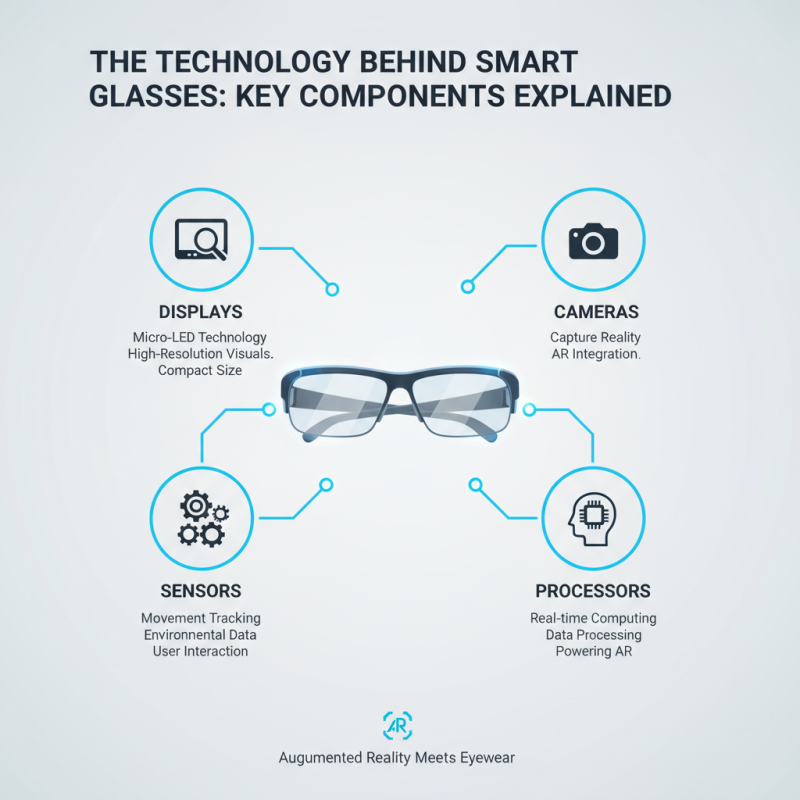
Smart glasses are revolutionizing how we interact with technology. At the core, these devices blend augmented reality (AR) with traditional eyewear. Key components include displays, cameras, sensors, and processors. Displays often utilize micro-LED technology. This ensures high-resolution visuals while maintaining a compact size.
Cameras enhance user experiences by enabling real-time video capture and facial recognition. According to a report by MarketsandMarkets, the smart glasses market is expected to grow from $2.6 billion in 2021 to $16.2 billion by 2026. This growth indicates a rising interest in their applications across various sectors, from healthcare to gaming.
Integrating sensors like accelerometers and gyroscopes allows for gesture control. Users can interact hands-free, promoting convenience. However, challenges arise. Battery life remains a concern, often limited to a few hours. Moreover, privacy issues continue to emerge, necessitating thoughtful discussions. As the technology evolves, addressing these issues will be crucial for wider adoption.
Market Trends: The Rise of Smart Glasses in Consumer Electronics
The market for smart glasses is on the rise, reflecting a significant shift in consumer electronics. Tech enthusiasts and everyday users alike are exploring their potential. These devices go beyond mere fashion statements; they promise enhanced interactivity and immersive experiences. With augmented reality capabilities, smart glasses can overlay information directly onto the user's field of view.
There's an increasing demand for hands-free technology. It allows users to access information seamlessly. Imagine checking notifications or navigation right in front of your eyes. However, challenges remain. Users often express concerns about privacy and data security. These must be addressed for widespread acceptance.
Trends indicate a move towards more stylish designs, making them accessible to a broader audience. There's a growing interest in personalized features too. Yet, there’s still a lot to develop. Battery life, processing power, and user interface need improvement. Future advancements may offer solutions, but the evolution of smart glasses is still a work in progress.
Applications of Smart Glasses in Various Industries
Smart glasses are revolutionizing various industries, providing unique applications that enhance productivity and efficiency. In healthcare, for example, doctors can use smart glasses for real-time access to patient data during surgeries. A 2022 report by Statista indicates that about 80% of healthcare professionals see potential in using augmented reality (AR) tools like smart glasses. This integration can reduce errors and improve patient outcomes significantly.
In manufacturing, smart glasses offer hands-free instructions for assembly lines. Workers can view real-time data overlays, reducing training time and increasing accuracy. According to a recent study by Gartner, companies incorporating smart glasses for training witnessed a 30% improvement in efficiency. Such tools bridge the gap between complex machinery and operational hands-on experience, though some workers may find the adjustment challenging, showcasing the need for careful implementation.
In the retail sector, smart glasses are enhancing customer experience. Sales staff can access inventory systems seamlessly, helping customers find products faster. A report by McKinsey suggests that 65% of consumers prefer more personalized shopping experiences, which smart glasses can facilitate. However, there are concerns about privacy and data security that retailers must address when implementing this technology. Balancing innovation with user trust remains crucial for successful adoption.
Potential Benefits and Challenges of Using Smart Glasses in Daily Life
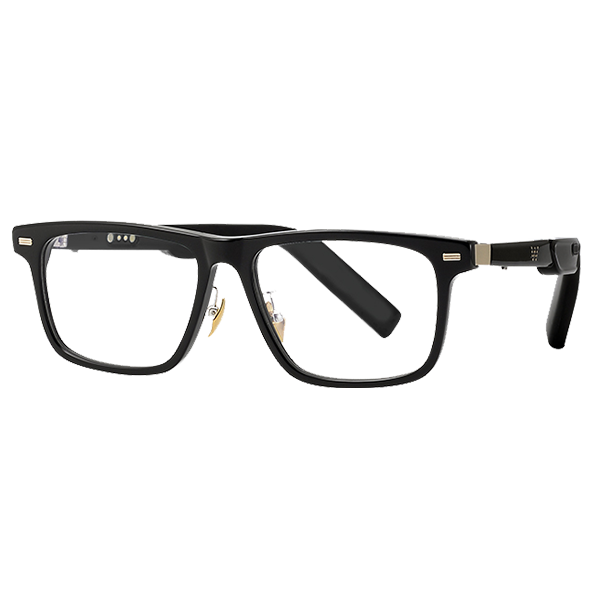
Smart glasses offer unique advantages in daily life. They integrate technology directly into our vision. This allows users to access notifications, navigation, and other features hands-free. This can enhance productivity significantly. For instance, you can receive directions while keeping your hands on the wheel.
Yet, these devices carry challenges. Privacy concerns are prominent. Users must consider when to record and when not to. Battery life can also be a limitation. Imagine trying to navigate a long day with a device that needs frequent recharging. Additionally, the social acceptance of wearing smart glasses is still evolving. Some people may feel uncomfortable seeing others wearing technology on their faces.
User experience varies widely. Some find the added functionality transformative, while others may feel overwhelmed. Learning curves exist. It takes time to adjust to new interfaces and features. It's crucial to reflect on whether the benefits outweigh potential discomforts or restrictions in social situations. Smart glasses serve as a tool with promising prospects, but thoughtful consideration is necessary.
Potential Benefits of Using Smart Glasses
 Smart Glasses
 Smart Ring
 Smart Locator


 +86-13613020876

 CONTACT NUMBER
 CONTACT NUMBER