What is Wearable Display Glasses and How Do They Work?
The rise of Wearable Display Glasses marks a fascinating evolution in technology. Experts in the field have highlighted their potential impact. Dr. Thomas Ling, a renowned specialist in wearable tech, states, "Wearable Display Glasses are not just a trend; they redefine our interaction with digital information."
Through augmented reality and real-time information overlay, these glasses serve various applications. From gaming to healthcare, they enhance user experience significantly. However, some challenges remain. The integration of such devices into daily life raises questions about privacy and social acceptance.
As the industry progresses, developers must address these concerns. Understanding user needs and expectations will be essential for advancement. The future of Wearable Display Glasses is bright, yet it requires thoughtful consideration. Their journey reflects both innovation and the necessity for careful reflection.
What Are Wearable Display Glasses?
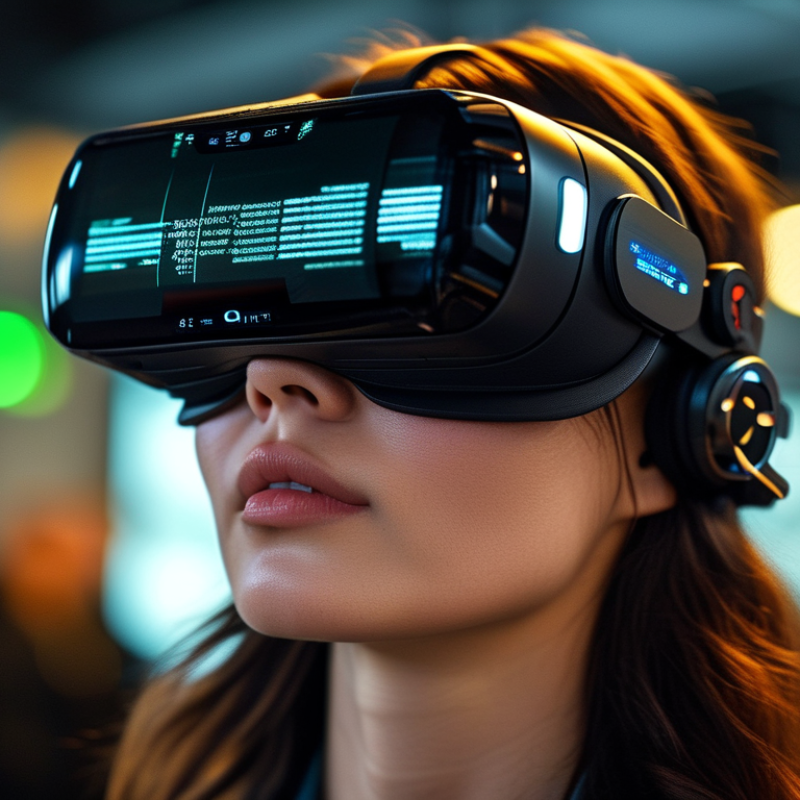
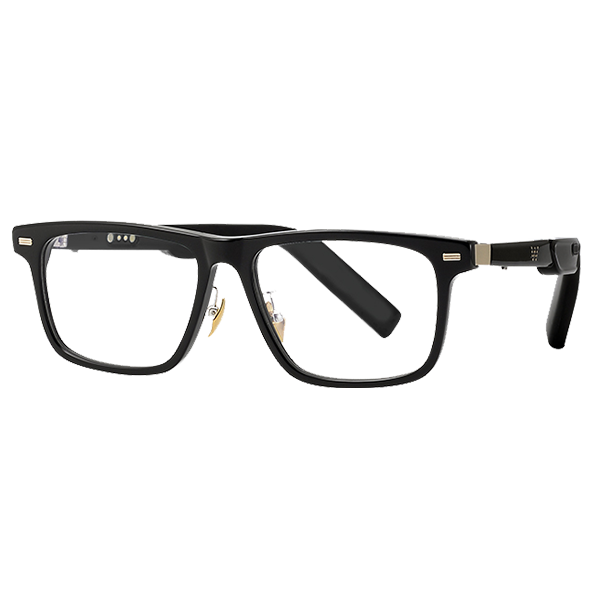
Wearable display glasses are innovative devices designed to enhance user experiences. They provide a visual interface directly in front of your eyes. This technology allows users to receive information while remaining engaged in their surroundings. Users can access notifications, maps, or even augmented reality features seamlessly.
These glasses often use lightweight materials for comfort. They can connect to smartphones or other devices for broader functionality. Their design is not just about aesthetics; it's about making daily tasks easier. However, one might find the learning curve steep. Adjusting to the functionality requires practice and patience. For some, this integration of tech into daily life feels like an invasion.
Tip: Start with simple applications to familiarize yourself with the glasses. Gradually explore advanced features as you gain confidence.
The display quality varies among models. Factors like brightness and resolution impact how clearly you see information. Not every user finds the experience beneficial. Some report distractions or discomfort when wearing them for long periods. It’s essential to assess whether they fit your lifestyle.
Tip: Take regular breaks to avoid eye strain when using wearable display glasses.
Key Features of Wearable Display Glasses
Wearable display glasses represent a new frontier in personal technology. They seamlessly blend augmented reality with everyday life. Key features include high-resolution displays, intuitive controls, and connectivity with smartphones. Many models offer transparent displays, enabling the user to see digital information while remaining aware of their surroundings.
According to industry reports, the global market for wearable display devices is projected to reach $30 billion by 2026. This growth is driven by advancements in display technology and increasing demand for hands-free devices. Features such as voice recognition and gesture control are increasing their usability in various sectors, from healthcare to entertainment.
Consider these tips when exploring wearable display glasses. Evaluate battery life and comfort; extended use might lead to discomfort. Look for models with good software support, ensuring they can adapt to future needs. Keep in mind that while these devices offer innovation, they may face usability challenges in dynamic environments. Staying informed about new developments is crucial for making the best choice.
How Wearable Display Glasses Function
Wearable display glasses are innovative devices that combine optics with digital technology. They enhance the user's experience by overlaying digital information onto the real world. These glasses utilize micro-displays or OLED screens to provide images directly within the user’s field of view. Sensors track head movement, enabling a more seamless interaction with digital content.
Recent studies indicate that the wearable glasses market is expected to reach $34 billion by 2024, confirming rising interest and investment in this technology. The glasses often use augmented reality (AR), which blends physical and digital elements. This function is achieved through advanced optics, processing units, and display solutions. For instance, users can see maps, notifications, or gaming elements right in front of their eyes, transforming everyday actions into immersive experiences.
However, challenges remain. The comfort and efficiency of these glasses still need improvements. Some users report discomfort after prolonged use. Battery life and processing speed are critical concerns, often leading to interruptions. As technology evolves, addressing these issues will be essential for wider adoption. Continued research and user feedback will shape future designs, ensuring they meet growing consumer expectations.
Wearable Display Glasses Functionality Overview
Applications of Wearable Display Glasses in Daily Life
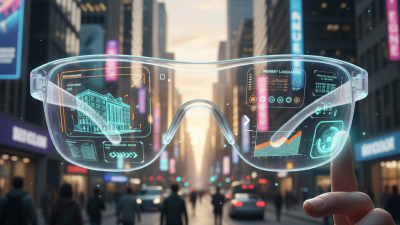
Wearable display glasses are revolutionizing our daily lives in various ways. These devices provide users with information right in their field of vision. You can receive notifications, maps, or even call alerts without looking at your phone. Imagine walking through a new city and following directions displayed right on your glasses. It makes navigation seamless and enhances your exploration.
In the workplace, wearable display glasses can streamline tasks. Employees can access step-by-step instructions for complex procedures without needing to reference manual documents. For instance, engineers can view technical drawings while keeping their hands free for repairs. This integration can improve efficiency but might also introduce distractions if not managed properly.
Furthermore, in entertainment, these glasses allow for immersive experiences. You can enjoy movies as if you're in a theater, or play interactive games that blend digital elements into real environments. However, they can sometimes cause discomfort during long use, leading to fatigue or eye strain. As technology evolves, finding balance in usage remains essential.
Future Trends and Innovations in Wearable Display Technology
Wearable display glasses represent a transformative leap in personal technology. As the market evolves, trends show a significant shift towards augmented reality (AR) applications. Data from industry reports suggest that the AR glasses market is expected to reach $61 billion by 2023. This growth is fueled by advancements in optics, miniaturization, and display technologies.
Innovations are also evident in user interface design. Voice control and gesture recognition are becoming standard, enhancing user experience and accessibility. A recent study highlighted that 70% of users prefer hands-free operations for increased convenience. However, challenges remain, particularly in battery life and comfort. Early models often left users with fatigue after prolonged use. Reflecting on user feedback, manufacturers are now prioritizing ergonomics and reducing weight.
Another significant trend is the integration of artificial intelligence (AI). AI can customize experiences, making interactions more intuitive. According to recent market analysis, incorporating AI could increase user engagement rates by 35%. Yet, concerns about privacy and security loom large. Users need to balance innovation with the implications of real-time data collection. This critical dialogue is essential for the responsible evolution of wearable display technologies.
What is Wearable Display Glasses and How Do They Work? - Future Trends and Innovations in Wearable Display Technology
| Feature |
Description |
Current Use Cases |
Future Trends |
| Augmented Reality (AR) |
Superimposing digital information onto the real world |
Navigation, training, and remote assistance |
Increased integration in daily life and various industries |
| Virtual Reality (VR) |
Creating a fully immersive digital environment |
Gaming, simulations, and therapy |
Advancements in sensory feedback and interactive experiences |
| Health Monitoring |
Tracking health metrics through embedded sensors |
Fitness tracking, medical applications, sleep monitoring |
Integration with AI for personalized health insights |
| Smart Notifications |
Displaying notifications from connected devices |
Incoming calls, messages, and alerts |
Enhanced AI-based filtering and prioritization |
 Smart Glasses
 Smart Ring
 Smart Locator


 +86-13613020876

 CONTACT NUMBER
 CONTACT NUMBER