Smart Lens Glasses Trends at 2026 Canton Fair for Global Buyers?
As global buyers prepare for the 2026 Canton Fair, a significant trend emerges: Smart Lens Glasses. These innovative devices integrate advanced technology into daily vision. They can enhance user experience in numerous ways. Through features like augmented reality, Smart Lens Glasses can display information directly in the user’s line of sight. This transformation can affect various industries, including healthcare and entertainment.
During the first phase of the Canton Fair, from April 15 to 19, attendees will find a focus on advanced manufacturing and electronics. Smart Lens Glasses are expected to catch attention for their cutting-edge capabilities. The fair introduces AI for smarter navigation. This means buyers can locate suppliers with specific qualifications quickly. They can explore a vast exhibit space efficiently, thanks to improved path planning.
However, potential challenges lie ahead. The market for Smart Lens Glasses is still evolving. Some products may not meet high-quality standards. Buyers should evaluate each option critically. Despite the excitement, not every innovation hits the mark. Reflecting on these factors will help ensure better purchasing decisions at the fair.
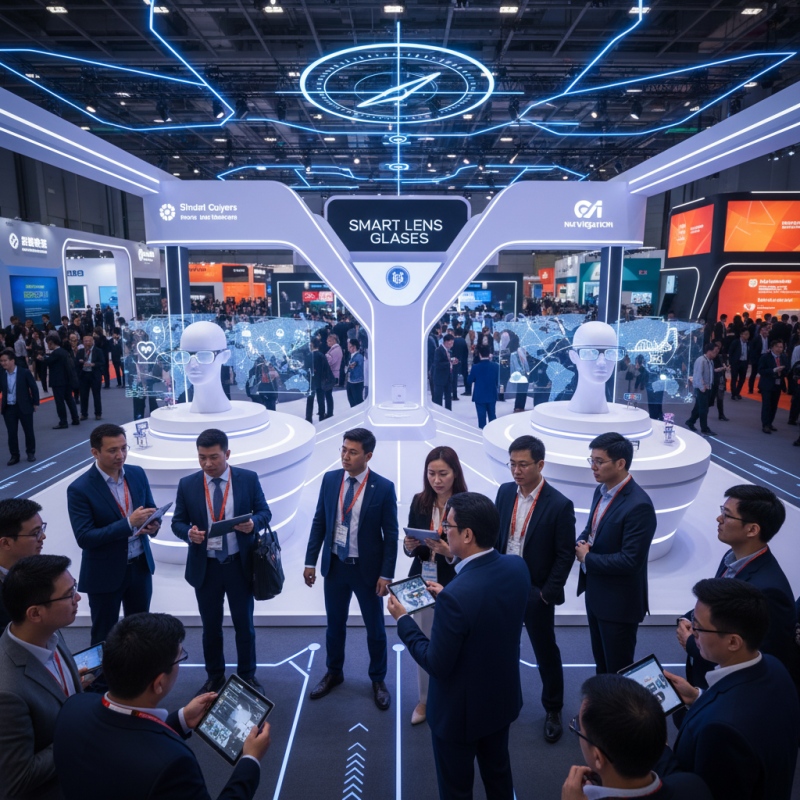
Overview of Smart Lens Glasses Technology at the 2026 Canton Fair
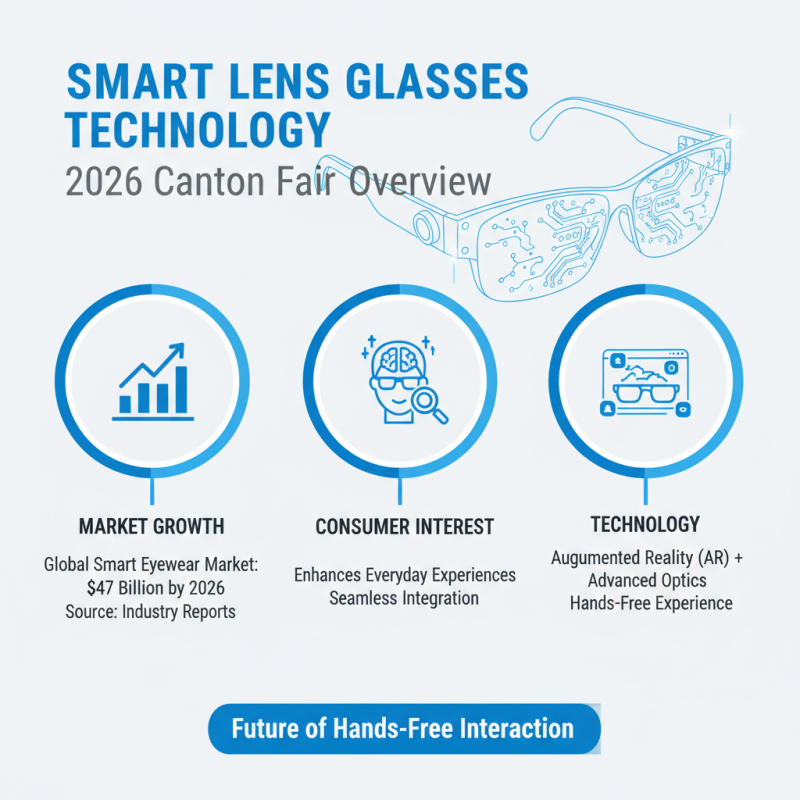
At the 2026 Canton Fair, smart lens glasses are set to make a significant impact. Industry reports suggest that the global smart eyewear market will reach $47 billion by 2026. This growth signals increasing consumer interest in technology that enhances everyday experiences. Smart lens glasses combine augmented reality (AR) with advanced optics, creating a unique user interaction. They provide a hands-free experience while integrating seamlessly into daily life.
As buyers explore the fair, they'll notice a range of features. Some glasses showcase real-time translation and navigation capabilities. Others focus on health monitoring, tracking vital signs and alerting users. The trend highlights a shift towards multifunctional devices. Buyers must consider the technological demands of their markets. Not every product may meet local needs or preferences.
**Tip:** When choosing smart eyewear, prioritize compatibility with existing devices. Ensure that the technology supports your target market’s ecosystem.
Innovation is essential, but so is addressing challenges. Battery life remains a concern; many devices do not last throughout the day. Additionally, the integration of smart lenses requires careful design to ensure comfort. Buyers should seek products that balance technology with user experience. Engaging with manufacturers at the fair can provide insights into resolving these issues.
Key Features and Innovations in Smart Lens Glasses at the Fair
At the 2026 Canton Fair, smart lens glasses showcased exciting innovations. Buyers were captivated by unique designs and practical features. The most striking aspect was the integration of augmented reality. Many models offered a seamless way to access digital information, where users could see notifications right in their field of vision.
Comfort and style were also key highlights. Several exhibitors focused on lightweight materials, ensuring comfort during extended use. Customers could choose from a range of colors, appealing to diverse fashion tastes. However, some lenses had issues with clarity in bright light. This raised questions about usability in different environments. Buyers expressed interest in how brands would address these challenges.
Battery life is another area needing improvement. Some prototypes struggled to last through a full day. Despite these drawbacks, the potential for smart lens glasses remains significant. Exhibitors encouraged users to provide feedback on functionality. Such input could drive future innovations, enhancing user experience and design. The atmosphere was dynamic, filled with curiosity and discussions on the future of eyewear.
Smart Lens Glasses Trends at 2026 Canton Fair
Market Trends and Consumer Preferences for Smart Lens Glasses
The market for smart lens glasses is rapidly evolving. Buyers at the
2026 Canton Fair are keen on innovative features. Many consumers want
augmented reality capabilities. They seek glasses that provide both
style and functionality. Lightweight designs are a priority. Comfort is essential for daily wear.
Some trends indicate a growing interest in personalized experiences. Customization options
appeal to younger buyers. They enjoy unique colors and designs that reflect their identity. However, there are still challenges.
Battery life remains a concern for many users. Some report that heavy usage can lead to quick depletion.
Consumer interest also highlights the need for better integration with mobile devices.
Synchronization with apps is crucial for performance. Yet, not all companies manage this effectively. Buyers often express
frustration when features fall short of expectations. Feedback
is vital for growth and improvement in the industry, indicating where attention is needed.
Global Buyer Insights and Business Opportunities in Smart Lens Glasses
The 2026 Canton Fair is expected to showcase intriguing trends in smart lens glasses, drawing significant global interest. Industry reports indicate that the global market for smart eyewear is poised to reach $35 billion by 2027, growing at a compound annual growth rate (CAGR) of 15%. This growth reflects an increasing consumer demand for augmented reality features and health-monitoring capabilities embedded in stylish eyewear.
Global buyers will find ample business opportunities in smart lens technologies. Data shows that 48% of consumers express willingness to invest in eyewear that combines utility and fashion. However, the challenge lies in ensuring user-friendly designs. 35% of early adopters report complications with complex interfaces, highlighting the need for intuitive functionality. Striking a balance between advanced features and ease of use will be critical for market success.
Moreover, as sustainability becomes a pressing concern, buyers should pay attention to eco-friendly materials in smart lenses. Reports reveal that 60% of consumers prefer brands that prioritize green practices. This trend presents an opportunity for manufacturers to innovate with sustainable materials while maintaining product performance. Addressing these evolving consumer preferences will be key for global buyers seeking to navigate this rapidly developing market.
Future Outlook and Developments in Smart Lens Glasses Post-2026 Fair
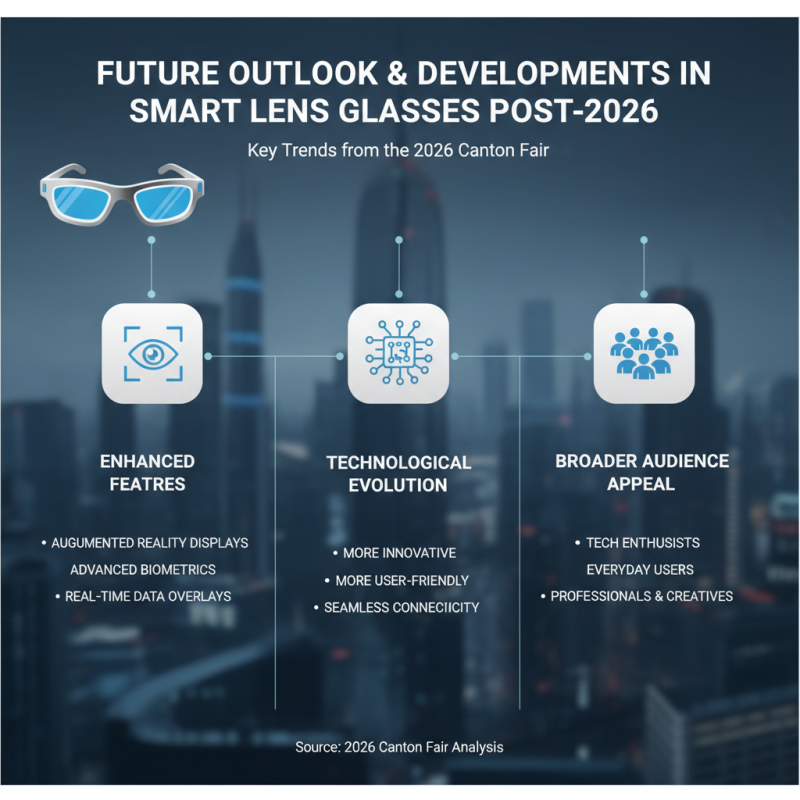
The 2026 Canton Fair showcased various trends in smart lens glasses. As technology evolves, these glasses are becoming more innovative and user-friendly. Many visitors noted enhanced features, including augmented reality displays and advanced biometrics. These advancements appeal to a broader audience, from tech enthusiasts to everyday users.
Post-2026, the market for smart lens glasses will likely shift. Consumers demand practicality and comfort in design. There’s a visible gap between advanced technology and user experience. Manufacturers must address this issue. Some innovations may feel clunky or overly complex. Finding balance is vital for success. As interest grows, brands need to invest in better prototype testing.
The future will see greater integration with other devices, such as smartphones and smart home systems. However, privacy concerns remain a significant topic. Users are wary of data security and surveillance. Transparency in data usage can build trust. Ongoing dialogues around these issues will shape the smart lens glasses industry moving forward.
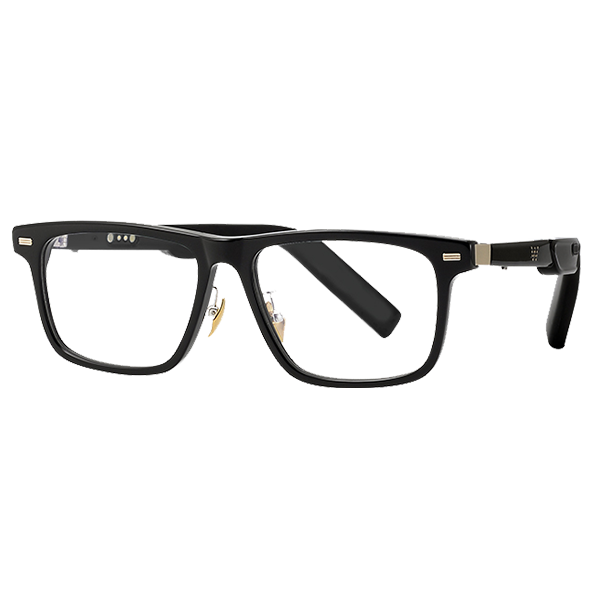 Smart Glasses
 Smart Ring
 Smart Locator


 +86-13613020876

 CONTACT NUMBER
 CONTACT NUMBER