Are Headphone Glasses the Future of Wearable Audio Technology?
The rise of wearable technology introduces exciting innovations like "Headphone Glasses." According to a recent report by MarketsandMarkets, the global wearable audio market is projected to reach $19 billion by 2025. This rapid growth creates a significant opportunity for products that blend style and functionality.
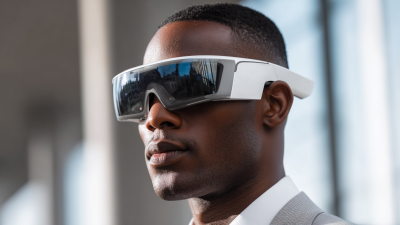
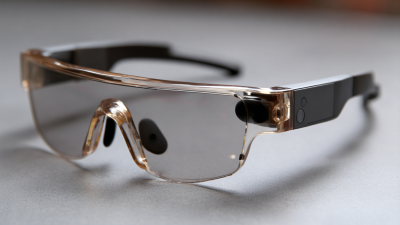
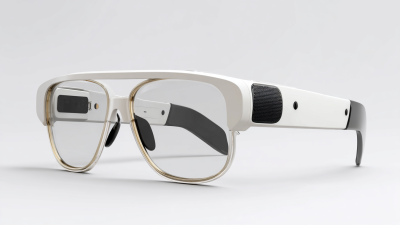
Headphone Glasses combine audio and visual elements, revolutionizing how we consume media. Users can engage with their surroundings while enjoying immersive sound quality. However, early products faced criticisms regarding comfort and audio clarity. These factors prompt designers to rethink designs and user experience.
Some early adopters rave about the convenience of Headphone Glasses, while others remain skeptical. The industry must address durability and sound performance to succeed. Balancing aesthetics with practicality will be crucial. As this technology evolves, it poses questions about privacy, social interactions, and headset dependency. Headphone Glasses might not be perfect yet, but their potential can reshape the way we experience audio.
The Evolution of Wearable Audio Technology: A Historical Perspective
The history of wearable audio technology has evolved remarkably over the decades. From bulky headphones to sleek earbuds, advancements have changed our listening experience. In the early days, audio was tethered to large devices. People needed adapters and wires, limiting mobility. Over time, compact designs emerged, allowing users to enjoy music on the go.
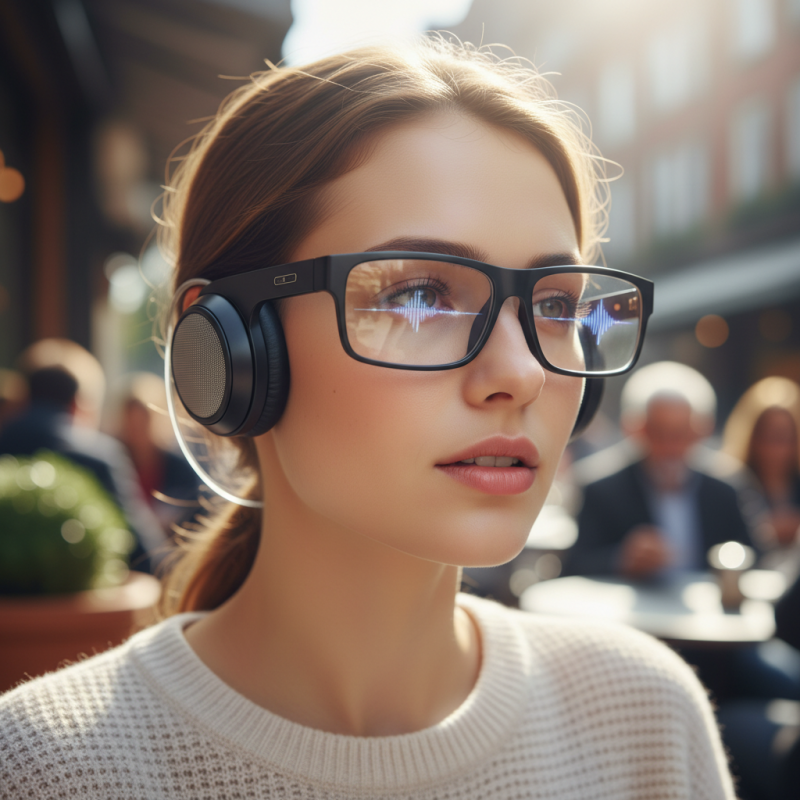
Headphone glasses represent an interesting intersection of fashion and function. Their evolution showcases how audio technology can integrate with everyday items. Imagine walking down the street, listening to your favorite music, while enjoying the sun. Yet, not everyone finds this new concept appealing. Some fear that such devices may compromise audio quality. The blend of eyewear and sound needs careful consideration.
**Tip:** When trying new audio tech, always test for comfort. A product may look good, but fit is crucial.
Design and technology must meet user needs. As we embrace innovation, it’s essential to reflect on the balance between style and functionality. Audio gear should enhance our lives, not complicate them.
**Tip:** Keep an open mind. New designs can surprise you.
Are Headphone Glasses the Future of Wearable Audio Technology? - The Evolution of Wearable Audio Technology: A Historical Perspective
| Year |
Technology |
Features |
Market Impact |
| 2010 |
Bluetooth Headphones |
Wireless, portable, noise cancellation |
Became mainstream for fitness and casual use |
| 2015 |
Smart Earbuds |
Voice assistants, touch controls |
Enhanced user interaction and convenience |
| 2020 |
Bone Conduction Headphones |
Open-ear design, safety for outdoor use |
Appealed to athletes and outdoors enthusiasts |
| 2022 |
Headphone Glasses |
Integrated audio and visual experiences |
Potential to redefine multimedia consumption |
Market Trends in Wearable Audio Devices: Growth and Consumer Adoption
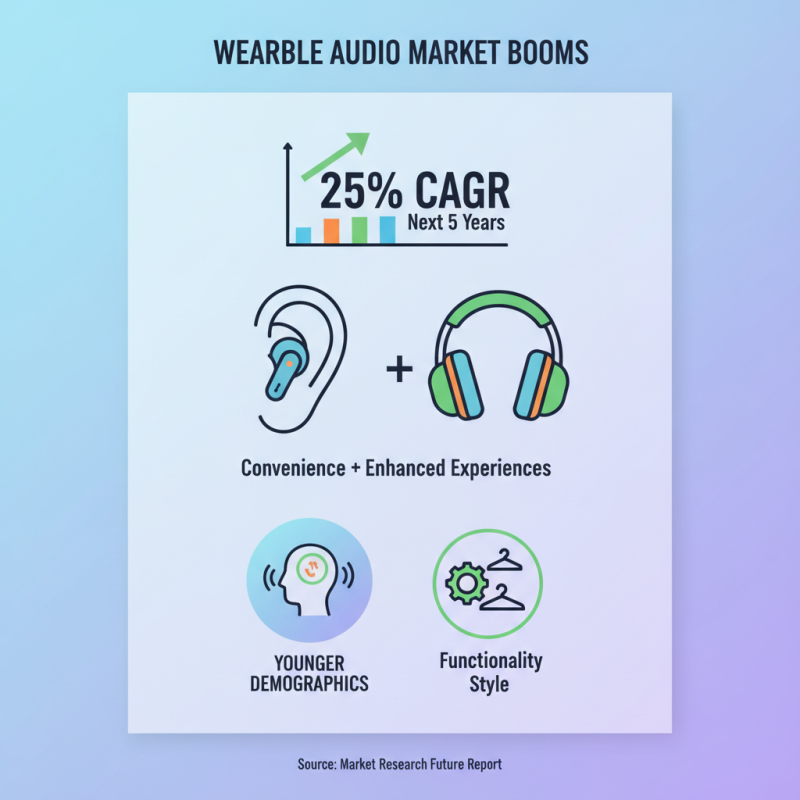
The wearable audio market is rapidly expanding. According to a recent report by Market Research Future, the wearable audio device sector is expected to grow at a CAGR of 25% over the next five years. More consumers are adopting innovative audio solutions as they seek convenience and enhanced experiences. The trend is particularly strong among younger demographics who value functionality and style.
Headphone glasses, blending eyewear and audio, are gaining traction. This hybrid technology caters to a need for seamless integration of visual and audio. Features such as built-in speakers and smart capabilities make them appealing. Some users appreciate the design but express concerns about comfort during extended use. Finding the right balance between aesthetics and functionality remains a challenge.
**Tips:** When considering wearable audio, focus on comfort. Whether it's headphones or glasses, test them out. Take time to research user reviews before purchasing. Look for versatile options that suit various activities. Remember, what works for one person may not work for another.
Key Features of Headphone Glasses: Merging Audio with Visuals
Headphone glasses are becoming an exciting area in wearable audio tech. These innovative devices combine audio experience with visual elements. According to recent industry analysis, the global market for wearable audio devices is projected to reach $20 billion by 2025. The merging of sound and sight opens new dimensions for users, creating immersive experiences like never before.
Key features of headphone glasses include integrated speakers and bone conduction technology. Users can enjoy music while remaining aware of their surroundings. This balance between isolation and openness is essential for safety. Comfort is also a prominent aspect. The glasses need to be lightweight and stylish to appeal to diverse consumers. However, not all designs achieve this ideal. Some may prioritize functionality over aesthetics, leading to discomfort during long use.
Current models often have limited battery life, which restricts usability. Users seek longevity in battery performance for extended listening. Enhancements in battery technology are vital to address this concern. Furthermore, the integration of augmented reality functions poses both opportunities and challenges. While these features are promising, they can lead to distractions. The ideal headphone glasses would find harmony between visual engagement and audio clarity, but this remains a complex goal for developers.
Comparative Analysis: Headphone Glasses vs. Traditional Audio Devices
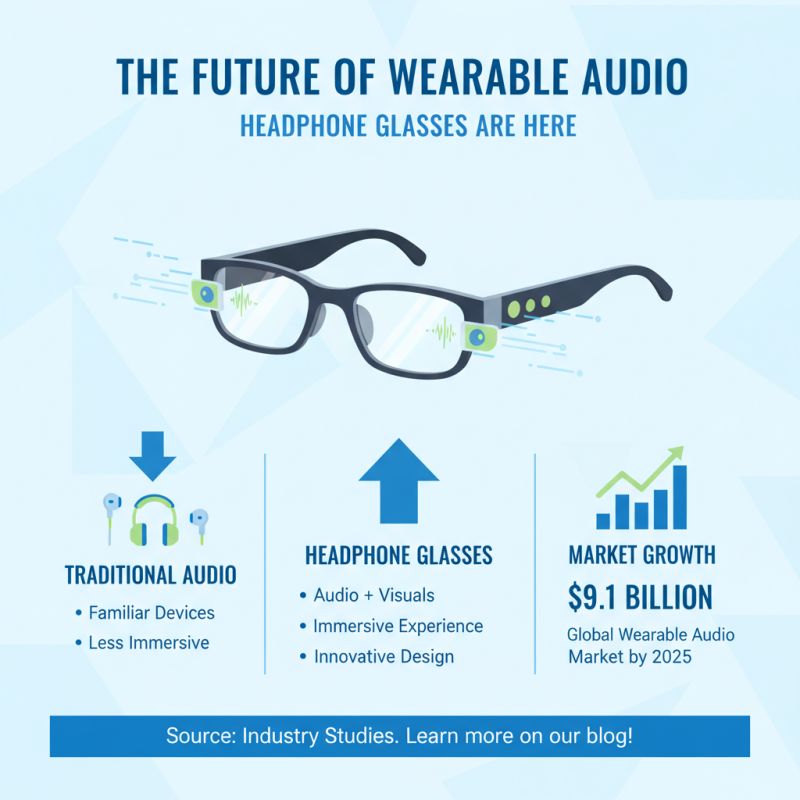
The rise of headphone glasses has sparked interest in the future of wearable audio technology. Studies indicate that the global market for wearable audio is expected to reach $9.1 billion by 2025. Traditional audio devices, while familiar, often lack the immersive experience that headphone glasses can provide. These innovative devices combine sound and visual elements, offering a unique user experience.
Comfort and portability are key advantages of headphone glasses. They eliminate the need for a separate audio device. However, the comfort level can vary greatly among users. Some may find the design cumbersome, especially during prolonged use. A 2022 report noted that 40% of users cited discomfort as a significant drawback of wearable audio technologies. Evaluating personal preference is essential.
**Tip**: When choosing between headphone glasses and traditional audio devices, consider usage scenarios. Headphone glasses shine during activities requiring mobility, like exercising or outdoor events. Conversely, traditional devices may offer superior sound quality for home listening. Overall, both options have pros and cons that need careful examination.
Future Innovations and Challenges in the Wearable Audio Sector
The evolution of wearable audio technology is shaping the future.
Headphone glasses combine audio and visual experiences. They may redefine how we interact with sound.
This innovation raises questions about comfort and practicality. Users desire seamless integration into daily life.
But are we ready for such an experience?
Adoption of any new tech faces challenges.
Headphone glasses must balance functionality and aesthetics.
They require clear sound quality and stylish designs. Users might find them heavy or cumbersome.
This could affect long-term use.
Tips: When trying out new wearable tech, consider comfort first. Ensure they fit well and don’t obstruct your vision.
Ask yourself if the features truly enhance your experience. Listen to feedback from other users.
The road to widespread adoption will involve overcoming these hurdles.
 Smart Glasses
 Smart Ring
 Smart Locator


 +86-13613020876

 CONTACT NUMBER
 CONTACT NUMBER