 Smart Glasses
 Smart Ring
 Smart Locator


 +86-13613020876

Leave Your Message
-
CONTACT NUMBER
-
 CONTACT NUMBER
 -
 CONTACT NUMBER
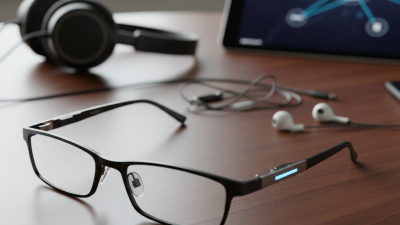
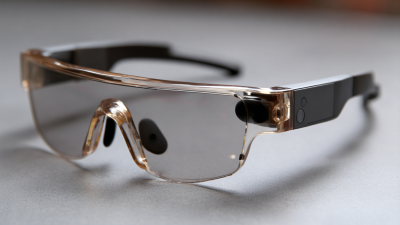
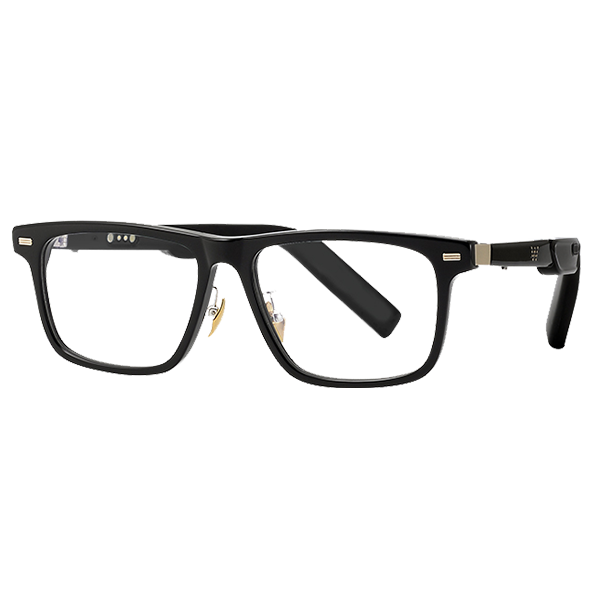
Bluetooth Eyeglasses are ordinary-looking frames with wireless features built in. Depending on the model, they may play audio, handle calls, capture photos, or connect to a phone app. Some include a small display; many do not. The name describes a broad product category, not one fixed design.
The market is drawing attention. Grand View Research estimated the global smart-glasses market at USD 1.93 billion in 2024 and forecast a 31.2% compound annual growth rate from 2025 to 2030. Its category includes more than Bluetooth-only eyewear, so the figure should not be read as Bluetooth glasses sales. The Bluetooth SIG’s 2024 Market Update projected 7.1 billion annual Bluetooth device shipments by 2028 across all product types. That is useful context, not proof that eyewear alone is booming.
How do the glasses work? A tiny Bluetooth radio pairs with a smartphone, much like wireless earbuds. Microphones pick up speech, speakers near the ears deliver sound, and onboard controls manage calls or playback. A companion app may adjust settings or transfer captured media. The phone often supplies the internet connection and heavier computing.
The details matter. Battery life, sound leakage, fit, privacy controls, and phone compatibility differ by model. A frame can look simple while hiding several components. Yet “smart” does not always mean useful. Try the fit and controls before trusting the feature list. I’d also treat broad market forecasts cautiously: product definitions and methods vary between reports. That uncertainty is worth remembering.
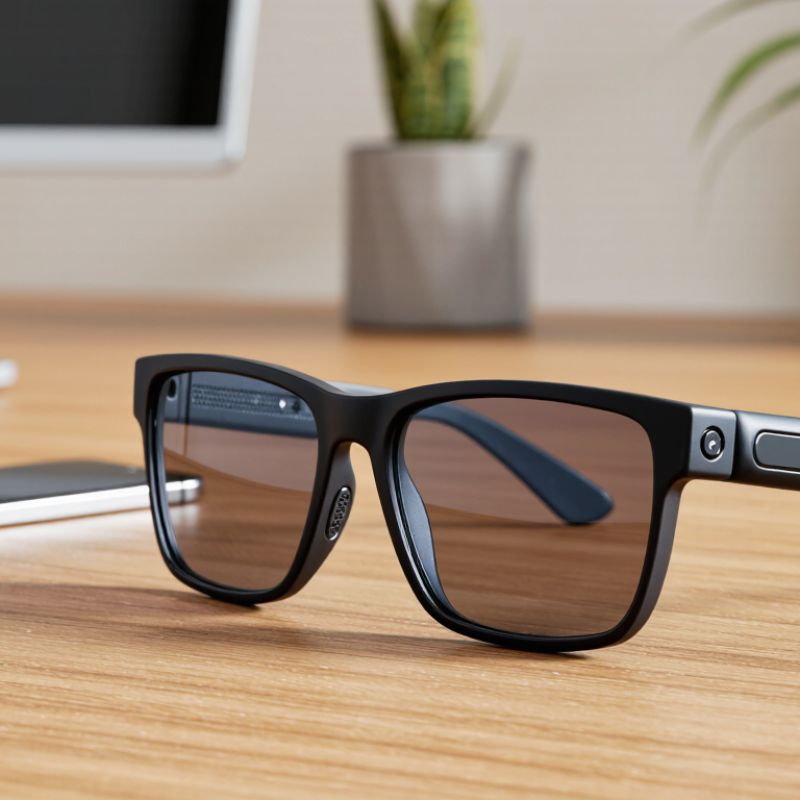
Bluetooth eyeglasses are ordinary-looking glasses with small wireless electronics built into the frame. Most connect to a phone using Bluetooth, the same short-range technology used by wireless headphones. A tiny speaker near each ear can play calls, navigation prompts, or music without covering the ear canal. A built-in microphone lets the wearer speak during calls or use voice controls. That is the idea.
Some frames also include touch controls, motion sensors, or a camera, but features vary by design. Bluetooth glasses do not necessarily have a screen or place images in front of the eyes. They are better understood as wearable audio devices shaped like glasses. The frame usually holds a rechargeable battery and compact electronic parts, which can make it feel heavier than a simple pair of spectacles. Not quite invisible. In daily use, sound may be harder to hear in a noisy street, and nearby people may hear some audio. Battery life also depends on volume and use. The category can be confusing because two pairs may look similar yet offer very different functions, so checking the listed features matters. A careful fit matters, too.
| Dimension | What It Means | How It Works in Practice |
|---|---|---|
| Definition | Eyeglasses with built-in electronics that use Bluetooth to communicate wirelessly with compatible devices. | They commonly connect to a smartphone for functions such as audio playback, phone calls, or voice-assistant access. Features vary by model. |
| Bluetooth connection | A short-range wireless link between the glasses and another device. | After pairing, the glasses exchange audio or control signals with a phone, tablet, or computer. Connection range depends on the Bluetooth implementation and surroundings; walls and interference can reduce it. |
| Typical audio components | Small speakers or sound transducers, microphones, and an electronic control circuit. | Speakers direct sound toward the wearer, while microphones pick up speech for calls or voice commands. Open-ear designs generally leave the ear canal uncovered. |
| Call and media handling | Wireless audio features that may support calls, music, podcasts, or navigation prompts. | The phone processes the call or media and sends audio to the glasses. The glasses may send microphone audio and button or touch-control input back to the phone. |
| Controls | Physical buttons, touch-sensitive areas, or other built-in input methods. | Depending on the design, controls can answer calls, adjust volume, pause playback, or activate a voice assistant. Available actions differ between models. |
| Power source | A rechargeable battery housed in the frame or its arms. | The battery powers the Bluetooth radio, audio components, microphones, and controls. Battery life varies with usage, volume, features, and battery capacity. |
| Charging | A charging method provided for the glasses, such as a cable or a dedicated charging accessory. | Charging contacts or a connector deliver power to the battery. The correct charging method and charging time depend on the specific glasses. |
| Eyewear function | The frame can hold clear, prescription, or sun lenses, depending on its design. | Bluetooth is an electronic feature; it does not itself correct vision or provide sun protection. Lens type and suitability are separate considerations. |
| Pairing process | The initial setup that allows the glasses and a device to recognize each other. | The wearer typically puts the glasses into pairing mode, selects them in the device’s Bluetooth settings, and follows any setup instructions. |
| Privacy and sound | Audio may be audible to nearby people, especially with open-ear speakers. | Sound leakage depends on speaker design, volume, and the environment. A microphone can also capture nearby noise, so users should consider privacy during calls. |
| What Bluetooth does not imply | A Bluetooth connection does not automatically mean the glasses have a camera, display, GPS, or internet connection of their own. | Those capabilities require additional hardware or a connected device and are product-specific. Bluetooth glasses may work mainly as wireless audio accessories. |