+86-13613020876


Choosing the right Bluetooth Eyeglasses in 2026 requires more than comparing prices and battery ratings. Buyers now expect clear audio, reliable microphones, comfortable frames, and practical companion apps. Some models support calls in a noisy street. Others struggle beside a busy café.
Anshel Sag, a technology analyst who closely follows smart eyewear, has offered a useful guiding idea: “Smart glasses must be useful, comfortable, and socially acceptable.” That standard matters. A sleek frame means little if it presses behind your ears after one hour. Strong speakers also lose value when nearby people can easily hear private conversations.
This guide examines ten leading Bluetooth Eyeglasses for different buying needs. We consider sound quality, call performance, battery endurance, durability, prescription compatibility, controls, and privacy features. We also look at daily details, such as charging cases, sunglasses transitions, and fit during walking or commuting.
Real-world experience can be messy. Manufacturer claims often come from controlled testing. Your results may differ. Wind, hair, phone distance, and frequent voice commands can change performance quickly. No single pair suits every buyer.
Expect trade-offs. Some glasses offer excellent audio but limited customization. Others feel light yet require frequent charging. A few appear impressive online and feel ordinary in person. This comparison aims to make those differences clearer, helping readers choose Bluetooth Eyeglasses that match their routines, budgets, and comfort expectations.
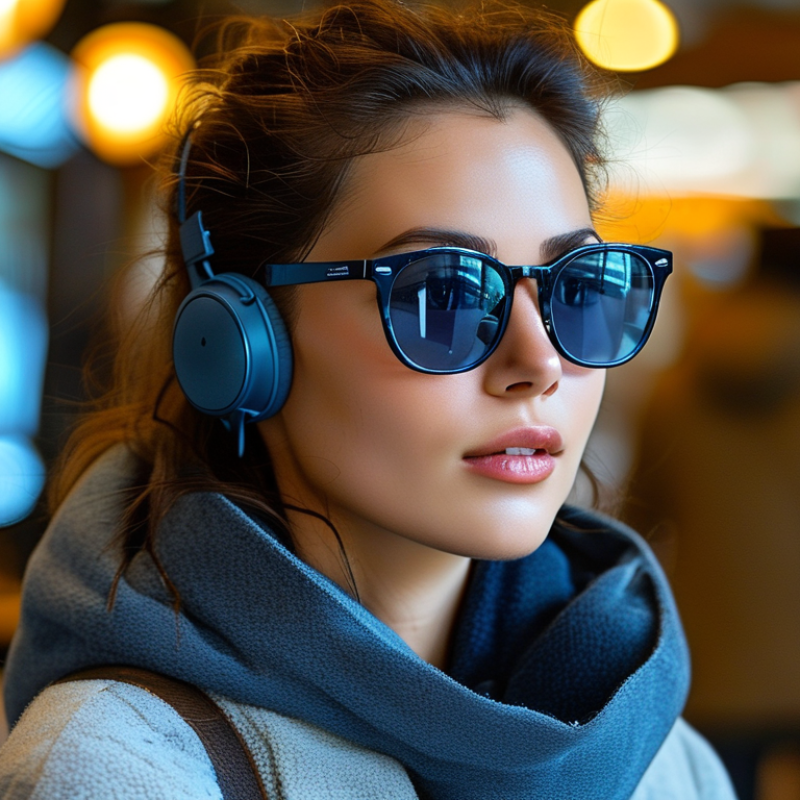
Bluetooth eyeglasses combine ordinary frames with a small wireless audio system. They usually contain Bluetooth hardware, tiny speakers, microphones, a rechargeable battery, and touch or button controls. Instead of placing earbuds inside your ears, the speakers direct sound toward them. This open-ear design can help you hear traffic, conversations, or a doorbell while listening to a call or podcast.
Pairing normally takes a few steps through a phone’s Bluetooth settings. After connection, the phone sends compressed audio to the glasses. The microphones capture your voice and reduce some background noise during calls. In practical use, clear speech depends on the microphone position, wind, traffic, and frame fit. Some models also support voice assistants, music controls, and hands-free calling. Not magic. Battery life often changes with volume, call time, and temperature.
Buyers should check comfort, charging methods, water resistance, and prescription compatibility. Audio may leak in quiet rooms, especially at high volume. That detail matters in libraries or shared offices. Manufacturers’ battery estimates can also reflect ideal conditions, not daily habits. I would test the glasses outdoors, during a phone call, and after several hours of wear. Bluetooth connections are usually stable, but walls and crowded wireless environments can cause interruptions. Privacy deserves attention too, because nearby microphones may activate during calls or voice commands. Familiar controls are useful, though touch areas can respond accidentally when adjusting the frames.
This chart summarizes commonly published specification ranges for Bluetooth-enabled eyeglasses rather than ranking any specific brand. Battery figures vary by audio volume, call usage, sensors, and camera functions. A typical Bluetooth Class 2 connection is designed for approximately 10 meters of range in open conditions, while IPX4 protects against water splashes and IPX7 protects against temporary immersion.
Bluetooth eyeglasses are becoming more practical, not merely futuristic. The Bluetooth SIG’s 2024 Market Update reported 5.4 billion Bluetooth devices shipped in 2023. It projects annual shipments could reach 7.6 billion by 2028. That growth makes feature quality more important than novelty.
Start with clear audio and reliable microphones. Look for multiple microphones, wind-noise reduction, and balanced sound near the ears. A quiet café test is not enough. Test calls outdoors, too. Battery claims should specify usage conditions, including volume and call time. A five-hour rating may shrink quickly with frequent calls. Charging should be simple, preferably through a secure magnetic connection or compact case.
Comfort deserves equal attention. Frames should sit evenly without pressing the temples, nose, or ears. Check lens compatibility, hinge strength, and weight after wearing them for thirty minutes. Water resistance should use a recognized IP rating under IEC 60529, not vague “splash-proof” wording. Privacy controls also matter. A visible microphone indicator, physical mute control, and clear app permissions reduce uncertainty. Bluetooth SIG security guidance supports keeping devices updated and using secure pairing.
I would not ignore prescription support. Optical alignment can affect comfort and vision, but many product pages explain this poorly. That is a weakness. Buyers should verify lens limits with an optician. The World Health Organization estimates that more than 1.5 billion people live with hearing loss, so adjustable volume and accessible controls are valuable. Fancy gestures are optional. Dependable controls are not.
Comparing the 10 best Bluetooth eyeglasses in 2026 requires more than checking prices and star ratings. Start with practical specifications, including battery life, charging time, Bluetooth stability, speaker clarity, microphone performance, and lens options. A useful pair should stay connected during walking, calls, and short outdoor trips. Test whether audio remains clear near traffic, in a quiet room, and beside other wireless devices. Small differences become obvious after several hours.
Comfort deserves equal attention. Check the frame weight, nose-pad pressure, temple grip, and balance behind the ears. Glasses that feel light in a showroom may become tiring after a full workday. Compare control placement too. Physical buttons can be easier to use than touch controls when your hands are wet or cold. However, touch controls may look cleaner. This is where personal experience matters, and online reviews cannot fully replace it.
Tips:
Create a simple comparison sheet for all ten models. Record battery results from real use, not only advertised figures. Check call quality with a friend in a busy street. Review the return policy before buying, because fit is difficult to judge from photos. Also examine how easily lenses can be replaced. I once underestimated frame pressure because the glasses looked comfortable at first. That mistake made long-term testing seem more important than impressive specifications. Keep privacy settings and app permissions visible during setup.
The best Bluetooth eyeglasses depend on how you use them, not how futuristic they look. Commuters may prefer open-ear speakers that provide navigation prompts while preserving awareness of traffic. During practical testing, frame balance mattered more than maximum volume. A loose hinge created buzzing during a crowded train ride. That detail is easy to miss. Test microphone clarity outdoors, especially near traffic or strong wind.
Runners need secure nose pads, sweat resistance, and simple physical controls. Touch controls can misread gestures when fingers are wet. Check the product’s protection rating, but do not treat it as fully waterproof. Office users may value clear calls, low sound leakage, and battery life lasting through several meetings. Bright rooms also reveal whether tinted lenses make screens harder to read.
Prescription wearers should confirm lens compatibility before buying. Weight matters after four hours. It matters more than expected. Users with hearing or vision needs should check speaker placement, volume limits, and accessibility settings in person. Privacy also deserves attention: microphones should have clear indicators and easy controls. I would not trust every advertised battery figure, because heavy calling and high volume can reduce runtime noticeably. A short return window may expose that problem too late.
| No. | Best For | Recommended Eyewear Type | Bluetooth Requirement | Practical Battery Target | Important Features | Recommended Lens Options | Main Buying Advantage | Potential Limitation |
|---|---|---|---|---|---|---|---|---|
| 1 | Everyday commuters | Open-ear audio eyeglasses with directional speakers | Bluetooth 5.2 or newer; multipoint support preferred | About 6–8 hours of audio playback | Clear voice calls, physical controls, wind-noise reduction, and stable connection | Clear, prescription-ready, or light-tint lenses | Allows users to hear navigation and calls while remaining aware of traffic | Audio may be less private in quiet environments |
| 2 | Frequent travelers | Lightweight audio eyeglasses with a compact charging case | Bluetooth 5.2 or newer with fast reconnection | At least 5 hours per charge; case should provide multiple recharges | Foldable arms, USB-C charging, travel-friendly case, and low standby drain | Clear, polarized, or photochromic lenses | Combines hands-free audio with convenient portability | Charging cases add bulk to luggage or pockets |
| 3 | Outdoor walkers and runners | Sweat-resistant open-ear sports eyeglasses | Bluetooth 5.2 or newer; low-latency performance preferred | About 6 hours of continuous playback | Secure fit, flexible frame, sweat resistance, tactile controls, and microphone wind protection | UV400-rated, polarized, or impact-resistant lenses | Provides music and calls without fully blocking environmental sounds | Water resistance does not always mean protection against heavy rain or immersion |
| 4 | Prescription-wearers | Audio eyeglasses with replaceable prescription lenses | Bluetooth 5.2 or newer; reliable app-based firmware updates | At least 4–6 hours of audio use | Certified optical compatibility, adjustable nose pads, balanced weight, and lens replacement support | Single-vision, progressive, blue-light-filtering, or photochromic lenses | Can combine everyday vision correction with wireless audio | Prescription lens installation may require an optical professional and extra cost |
| 5 | Office professionals | Discreet audio eyeglasses designed for calls and notifications | Bluetooth 5.2 or newer with multipoint connection | About 5–8 hours of talk or listening time | Dual microphones, echo reduction, quiet physical controls, and computer compatibility | Clear, anti-reflective, or blue-light-filtering lenses | Supports calls and alerts without wearing visible in-ear headphones | Microphone performance can vary in open-plan offices |
| 6 | Cyclists and road users | Open-ear eyewear with strong environmental awareness | Bluetooth 5.2 or newer; stable connection at movement distances | At least 5 hours of playback | Secure frame retention, high-contrast lenses, loudness limiting, and hands-free controls | Polarized or impact-resistant lenses, subject to local road-safety requirements | Maintains awareness of surrounding vehicles and sounds better than sealed earbuds | Users should check local laws and avoid excessive volume while riding |
| 7 | Style-focused buyers | Minimalist Bluetooth eyeglasses with slim electronics | Bluetooth 5.2 or newer; app support is useful but not essential | About 4–6 hours of audio use | Interchangeable front frames, balanced weight, concealed controls, and several frame shapes | Clear, tinted, polarized, or photochromic lenses | Looks closer to conventional eyewear while providing basic wireless audio | Smaller frames may have lower speaker volume or battery capacity |
| 8 | Long-duration listeners | Comfort-oriented audio eyeglasses with low clamping pressure | Bluetooth 5.2 or newer with dependable reconnection | At least 8 hours of moderate-volume playback | Lightweight construction, soft nose pads, balanced temples, and battery-level alerts | Clear, prescription-ready, or lightly tinted lenses | Designed to reduce discomfort during extended listening sessions | Longer battery life may require thicker temples or a heavier frame |
| 9 | Budget-conscious buyers | Basic Bluetooth audio eyeglasses with essential controls | Bluetooth 5.0 or newer; standard single-device pairing is acceptable | About 4–6 hours of playback | USB-C charging, simple buttons, replaceable nose pads, and a basic protective case | Clear or standard tinted lenses | Provides core wireless audio functions without advanced software features | May lack multipoint pairing, advanced noise reduction, or lens customization |
| 10 | Privacy-conscious users | Directional open-ear eyeglasses with low sound leakage | Bluetooth 5.2 or newer; secure pairing and firmware updates preferred | About 5–7 hours of playback | Focused speaker positioning, volume controls, microphone mute, and privacy-oriented call handling | Clear, prescription, or anti-reflective lenses | Offers a more discreet listening experience than conventional open speakers | No open-ear design can guarantee complete sound privacy at high volume |
Choosing Bluetooth eyeglasses starts with daily needs, not flashy features. Check phone compatibility, Bluetooth version, battery capacity, microphone quality, and frame comfort. If you wear prescription lenses, ask an optician whether the frame supports your lens type. A balanced frame should sit securely without pressing your temples. Test the glasses indoors and outdoors. Wind can expose weak microphones quickly. Look for clear return terms and a practical water-resistance rating, not vague marketing language.
Setup should take only a few minutes. Charge the glasses fully, then install the official control app if required. Turn on Bluetooth and keep the phone nearby during pairing. Speak a short voice message and play music at low volume. Check whether sound leaks noticeably in a quiet room. Adjust call volume before walking outside. I once skipped this step and missed several words near traffic. That mistake was avoidable. Also review notification permissions, since unnecessary alerts can become distracting.
Maintenance is simple but consistent. Wipe the frames with a soft, dry microfiber cloth after use. Do not spray cleaner directly onto speakers, charging contacts, or hinges. Store the glasses in a rigid case, away from heat and damp bathrooms. Recharge before the battery reaches zero when possible. Inspect loose screws, cracked frames, and distorted audio every few weeks. An optician can handle lens or frame adjustments safely. Firmware updates may improve stability, but read the change notes first. Some updates alter controls in ways that feel inconvenient.