What is Ar Glasses and How Can They Transform Your Experience?
AR glasses are revolutionizing how we perceive the world around us. These advanced devices combine digital information with our physical environment, enhancing daily experiences. Imagine walking through a city and seeing real-time information about nearby landmarks or local businesses displayed right before your eyes.
These innovative glasses can transform various aspects of life. For example, they can provide instant navigation guidance while cycling or walking. They have applications in education, offering interactive learning experiences. However, the quest for seamless integration continues. Issues like battery life and user comfort need addressing.
The potential of AR glasses is vast but also complex. As we embrace this technology, critical questions arise. Are we ready for such immersive experiences? Balancing digital interaction with the physical realm is crucial. The future promises exciting possibilities for AR glasses, but thoughtful implementation is necessary.
Understanding AR Glasses: Definition and Technology Overview
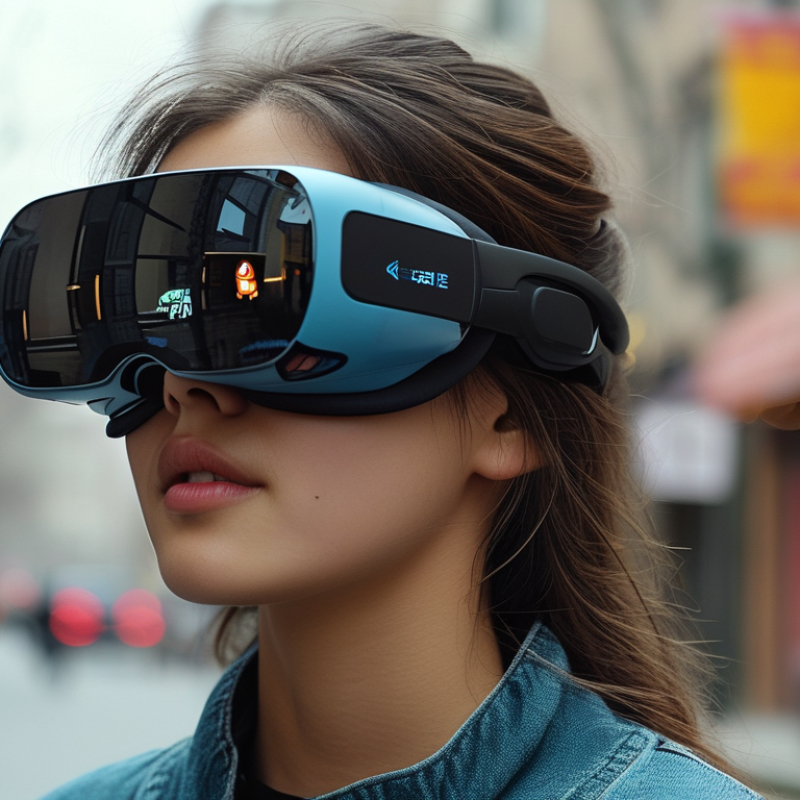
Augmented Reality (AR) glasses represent a significant leap in technology. These devices overlay digital information onto the physical world. By doing so, they create immersive experiences that alter how we perceive our environment. According to a report by MarketsandMarkets, the AR market is projected to grow from $10.7 billion in 2022 to $198.17 billion by 2025. This growth reflects the increasing applications across industries like healthcare, education, and entertainment.
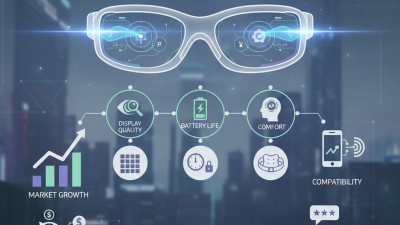
Technologically, AR glasses utilize advanced sensors, cameras, and displays. They rely on computer vision to identify surroundings and contextually enhance the user experience. This involves complex algorithms that process real-time data. However, challenges remain. Battery life and comfort for extended wear are ongoing concerns. According to research from Deloitte, 47% of consumers express hesitation due to device weight and fatigue.
Moreover, user acceptance poses a barrier. Many fear privacy issues associated with data collection. Ensuring user trust is essential for widespread adoption. As AR technology evolves, balancing innovation with ethical considerations will be crucial. Enhanced experiences must not come at the cost of user data security or personal privacy. The journey to broader acceptance is as critical as the technology itself.
AR Glasses Adoption Rates Over the Years
This bar chart illustrates the increasing adoption rates of AR glasses from 2018 to 2023, showcasing the growing interest and integration of augmented reality technology in everyday life. As the technology matures, higher adoption rates are expected as more users recognize the benefits and capabilities of AR glasses.
Key Features of AR Glasses: Enhancing Interaction with the Digital World
AR glasses represent a significant leap in how we interact with our digital environments. These glasses overlay digital information directly onto our field of vision, creating an immersive experience. Imagine walking through a city while receiving real-time navigation cues. This seamless integration makes everyday tasks simpler and more intuitive.
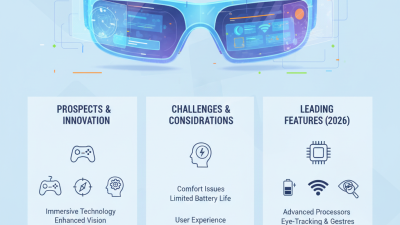
Key features of AR glasses enhance interaction with the digital world. They include gesture recognition, enabling users to control apps with hand movements. Voice commands provide another layer of convenience. Users can simply speak to access information or control functions. The potential for hands-free operation opens new possibilities for multitasking. However, challenges remain. Battery life can be limited, and comfort varies among models. It's essential to think critically about these limitations as the technology evolves.
Moreover, AR glasses can foster social connections. Envision sharing a virtual experience with friends who are miles apart. Live updates and shared content can help bridge the gap. Yet, there's a risk of digital fatigue, as the line between virtual and real worlds blurs. Users must balance immersion with their physical surroundings. These glasses present both exciting opportunities and reflections on our relationship with technology.
Applications of AR Glasses in Various Industries and Everyday Life
AR glasses are becoming essential tools in various industries. In healthcare, doctors can visualize patient data in real-time during surgeries. This integration improves accuracy and enhances patient safety. Nurses can access vital information hands-free, allowing for better patient care.
Retail also benefits from AR glasses. Shoppers can try on clothes virtually or visualize furniture in their homes. This innovative approach can boost sales and improve customer satisfaction. However, challenges include the potential for over-reliance on technology, which might detract from personal interaction.
In education, AR glasses enable interactive learning experiences. Students can explore complex subjects, making concepts more tangible. But there are concerns about technology distracting from traditional learning methods. Balancing tech use with effective teaching remains crucial. As AR glasses evolve, their applications will likely grow, shaping how we interact with various sectors.
Challenges and Limitations Facing AR Glasses Adoption
The potential of augmented reality (AR) glasses in transforming experiences is immense. However, several challenges hinder their widespread adoption. According to a recent market analysis, only 15% of consumers find AR glasses appealing, primarily due to cost and usability concerns. High prices limit accessibility, while the complexity of use can deter average users. Many potential users express uncertainty about their practical applications.
User privacy also looms large in public perception. A survey indicated that 70% of respondents are wary of privacy invasions. This skepticism can curtail enthusiasm for AR technology. Additionally, battery life remains a key limitation. Many current models provide only a few hours of active use, making them less practical for daily wear. These factors create hesitation in widespread acceptance.
Tip: Before investing in AR glasses, assess your needs carefully. Understanding potential use cases can help determine if they fit your lifestyle.
Despite ongoing advancements, the technology still faces criticism. User experience can be inconsistent across different environments, leading to frustration. Developers must address these concerns and improve reliability. Listening to user feedback could foster trust and adoption.
Tip: Engage in communities discussing AR. Their insights can guide informed choices.
Future Trends: The Potential Evolution of AR Glasses and User Experience
Augmented Reality (AR) glasses are poised to revolutionize how we interact with the digital world. According to a report by Statista, the AR glasses market is expected to reach $70 billion by 2024. This explosive growth suggests a shift towards enhanced user experiences across various sectors. Imagine walking through a museum with interactive displays popping up before your eyes. This could be a regular occurrence soon.
The potential evolution of AR glasses will offer unprecedented opportunities. Analysts at MarketWatch estimate that as technology advances, user interfaces will become more intuitive. Voice commands and gesture controls will play significant roles. However, we must consider some flaws too. Early AR glasses often faced issues like limited battery life and uncomfortable designs. Users reported headaches and fatigue after extended use. Addressing these concerns is essential for sustainable growth.
Developments in AR glasses may also drive collaboration. For instance, in remote work settings, teams could engage seamlessly through virtual workspaces. Yet, privacy issues could arise. Sharing personal data to enhance AR experiences might deter users. The path forward requires balancing innovation with user trust.
 Smart Glasses
 Smart Ring
 Smart Locator


 +86-13613020876

 CONTACT NUMBER
 CONTACT NUMBER